Showing posts with label trivia. Show all posts

Thursday, February 19, 2015

7 Weird and Crazy Facts About Mexico

huffingtonpost.com
By Meagan Drillinger
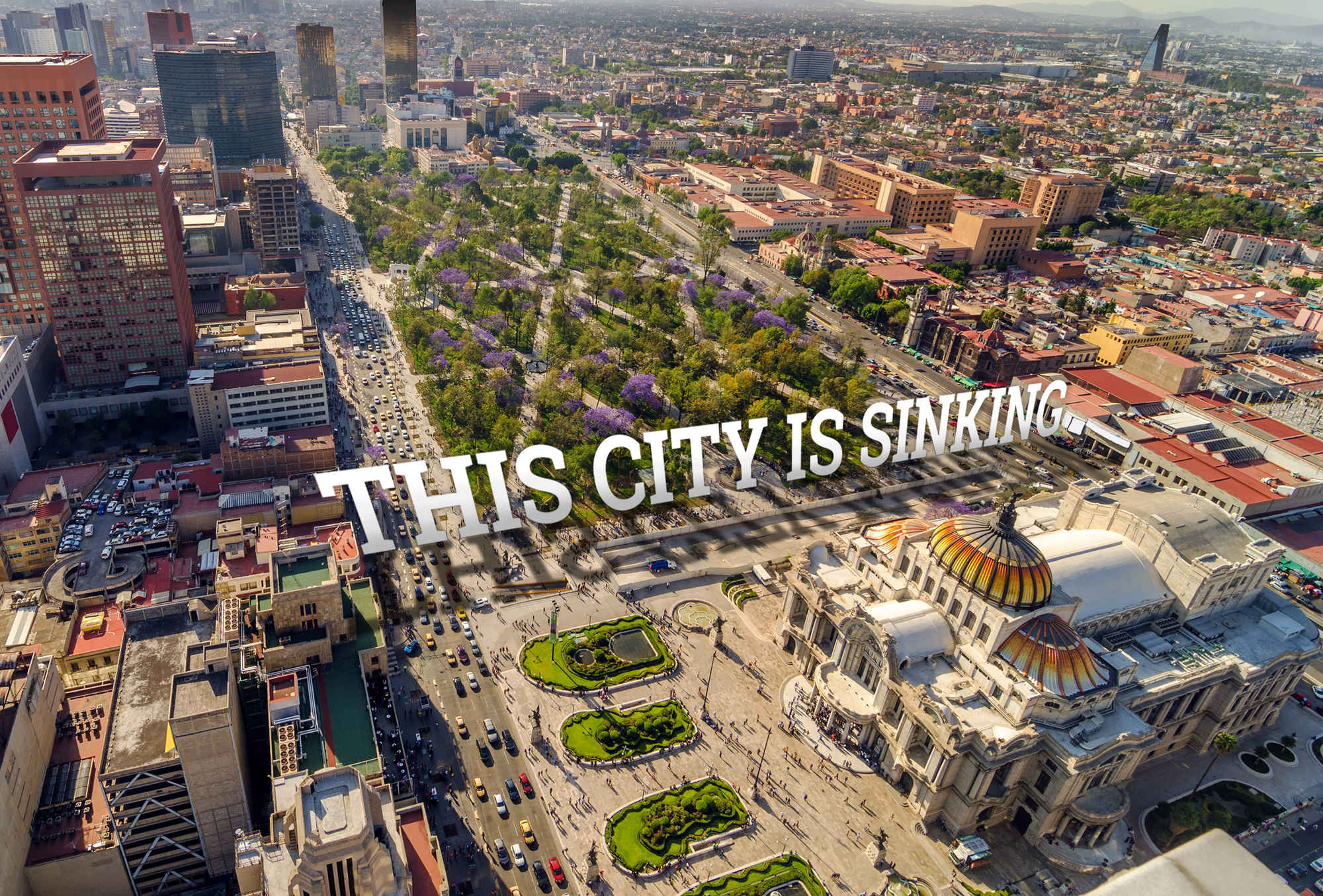
2015-02-19-CrazyFactsMexico_1.jpeg
Credit: Shutterstock (Edited)

There's a decent chance you've been to Mexico before, because it's like... right there. So you don't need anyone to list reasons that it's awesome. (Tacos! Beaches! Tequila!) But just in case you were actually curious about what's going on beneath that spicy, sunny, oh-my-god-take-me-there-now surface, here's a smattering of strange and true facts about America's southern neighbor.

2015-02-19-CrazyFactsMexico_2.jpeg
Credit: Wikimedia Commons

1. The Caesar salad was invented here.

Julius Caesar did not invent the Caesar salad. And it wasn't Caesar Augustus, either, for that matter. No, it was the brainchild of Caesar Cardini, an Italian-American restaurateur and chef who dreamt up the dish at his Tijuana restaurant. Or so legend has it. The origin has been disputed, as Livio Santini, who worked in Caesar's restaurant, claimed to have brought the salad to the world from his mother's recipe. All that's for sure: That's a damn good salad.

2. There's a 3-foot tamale that weighs 150 pounds.

Sure, you've probably had tamales. And if you live in Chicago, you've probably even seen the Tamale Guy. But you haven't dominated el zacahuil. This tamale, typical of the state of San Luis Potosi, is a 3-foot monstrosity of chile, spices, and hunks of pork or turkey, typically served on grilled banana leaves with pickled jalapeños. If you have tackled one of these, well, you probably won't make it to the end of this list, either from a food coma or heart attack. But good work.
2015-02-19-CrazyFactsMexico_3.jpeg
Credit: Flickr/Francisco Soto

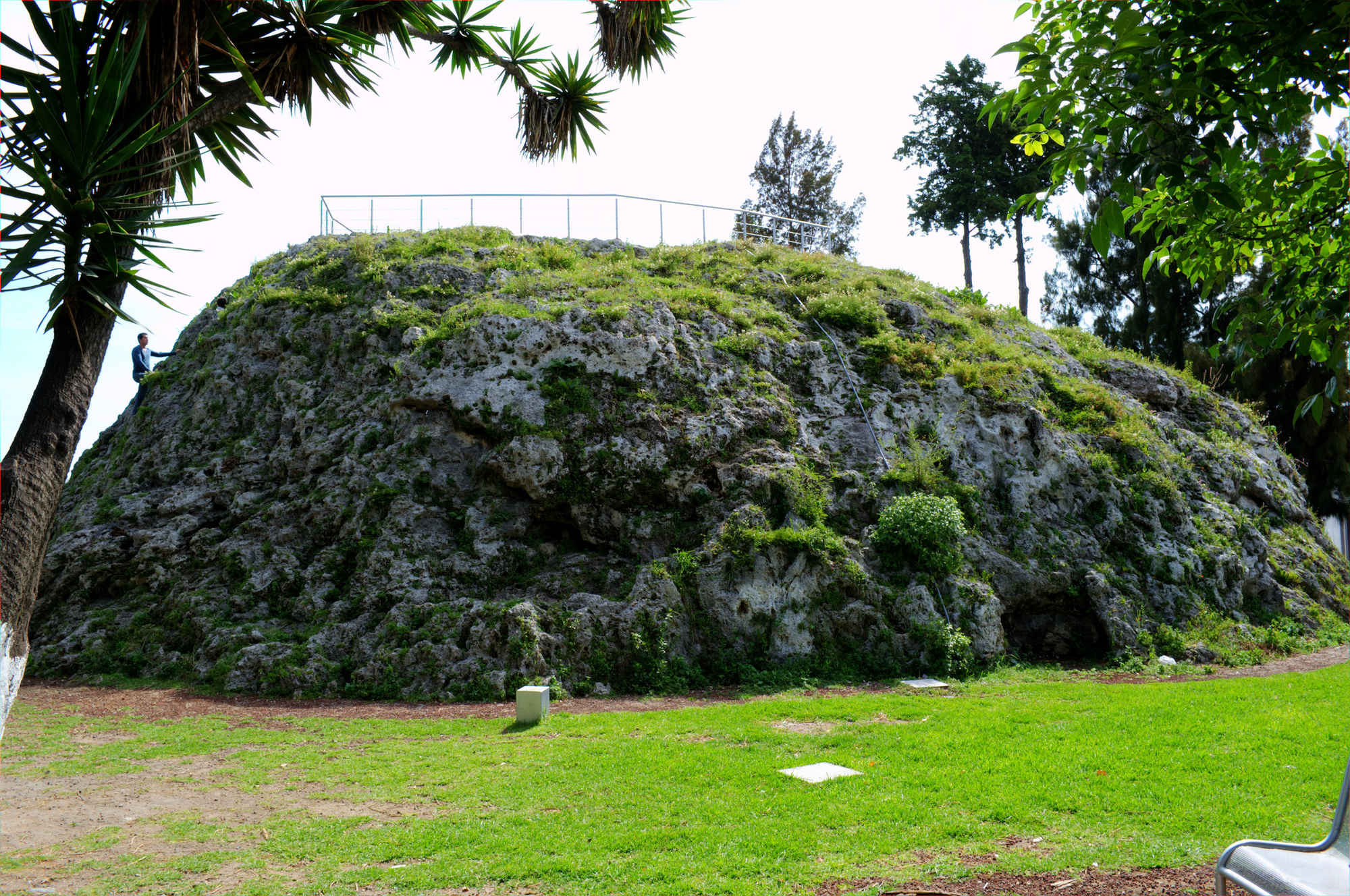
3. Mexico has the world's smallest volcano.

Hawaii has Mauna Loa, the world's largest volcano. Well, Hawaii can keep it, because in Mexico, it's about the motion in the magma, not size of the stratovolcano. The Cuexcomate volcano outside the city of Puebla is just 43 feet tall. To put it into perspective: That's not even half as tall as the Statue of Liberty, and it's equal to about 6.45 LeBron Jameses stacked on top of one another. But why would you have six LeBrons, let alone 0.45 of him? Let's move on....

4. Perform the anthem correctly, or else....

The Mexican national anthem (himno nacional mexicano) is nothing to joke about. There are actually nine or 10 articles in a chapter of the law that go into detail about how to properly honor and perform the national anthem. If you play it incorrectly, you will be fined, and in some cases, will need to issue an apology to the country. I probably shouldn't even make a joke about it here, in case someone in Mexico is reading.
2015-02-19-CrazyFactsMexico_4.jpeg
Credit: Drew Swantak

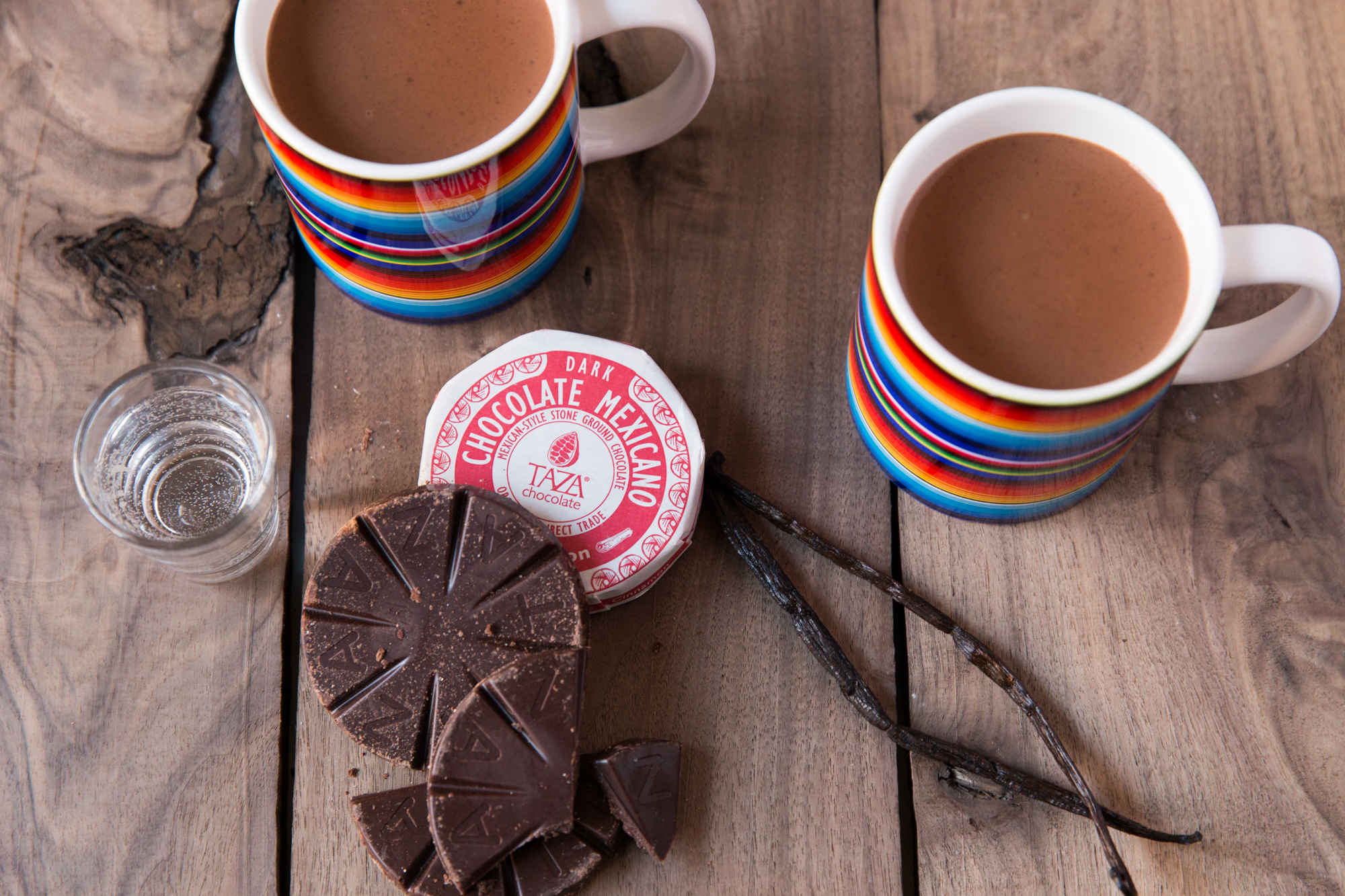
5. Hot chocolate is literally the drink of the gods.

When Hernán Cortés landed on the shores of Mexico, the Aztecs thought he was a white god and welcomed him with what they thought was a heavenly beverage: hot chocolate. How did Cortes repay them? Rape, pillaging, and burning their homes to the ground. It wasn't on account of the hot chocolate being bad. He just was not a pleasant guy.

6. Mayans fought with hornets.

Swords and spears are all fine and good but, if you ask the Mayans, a tad simple. A more effective method of scaring the sh*t out of enemies: harnessing a nest of hornets and throwing them into an oncoming attack. It's like Wu Tang Clan's dream fights all rolled into one. OK, they were killa bees, but you get the point.
2015-02-19-CrazyFactsMexico_5.jpeg
Credit: ITU Pictures

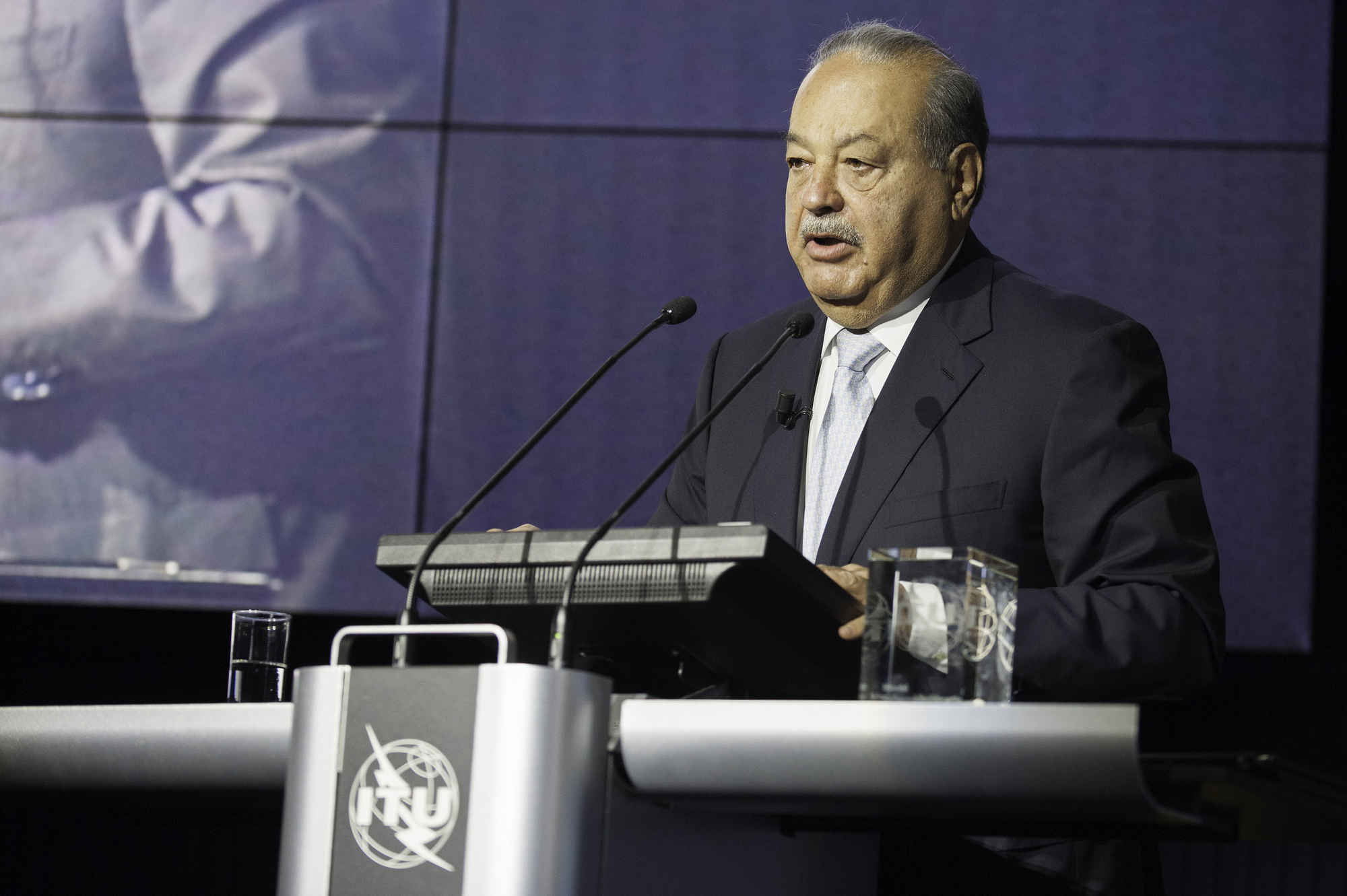
7. The world's (sometimes) richest man lives there.

OK, to be fair, Bill Gates is currently the richest man in the world. But he keeps duking it out for that no. 1 slot with Carlos Slim, the Mexican business magnate, who's currently valued at $72 billion. To put it into perspective, he's worth 7 percent of Mexico's entire GDP. For Bill Gates to be worth that much in the U.S., he'd need to have more than $900 billion and own Alcoa, Phillip Morris, Sears, Best Buy, TGI Friday's, Dunkin' Donuts, Marriott, Citibank, and JetBlue.

Saturday, November 8, 2014

What Does the TSA Do With Confiscated Items?

travelandleisure.com

confiscated items
Firearms and hazardous materials are turned over to local law enforcement officials. For safety reasons, liquids that can’t go through security—even in sealed containers—must be thrown out. For other items, the TSA either sends them to a contractor for disposal or donates them to a local nonprofit. Some of these charities will, in turn, resell items and use the proceeds to support their own programs. The TSA makes clear that none of this resale money goes into its own coffers.

Sunday, November 2, 2014

Why Do Airplanes Dim Lights on Takeoff?

Why do Airplanes Dim Lights on Takeoff
Lowering cabin lights and raising window shades are standard safety measures during takeoff and landing—the most critical moments of every flight. The dim lighting allows passengers’ eyes to adjust more quickly during an emergency evacuation. As Chris Cooke, a pilot with a major domestic carrier, puts it: “Imagine being in an unfamiliar bright room filled with obstacles when someone turns off the lights and asks you to exit quickly.” The raised window shades bring natural light into the cabin, just in case it’s needed.

Photo courtesy of Vicki Beaver / Alamy

Saturday, November 1, 2014

Día de los Muertos: Some Things You May Not Know

dia de los muertos Page TurnerI am sure the vast majority of my readers know about Día de los Muertos (Day of the Dead). I have spent a number of celebratory evenings following the donkey cart around El Centro pushing and shoving with fellow revelers trying to get a free beer being doled out, thanks to Pacifico and the poor soul on the back of the cart. I have seen the altars and one year Linda and I even spent the last day of October visiting the city’s cemeteries watching and talking to families cleaning and painting the grave sites of their departed relatives and building alters adorned with the loved one’s favorite foods and beverages.
However, every time I read about México, its history and culture, I learn something new. And that was the case when I started reading about this annual celebration.
Everyone associates Día de los Muertos with México, which is understandable. But, the celebration probably originated some 4,000 years ago and was in the cultures of the Olmecs, Mayas, and Aztecs. All of these cultures believed in a life after death.
Their belief in the cyclical nature of life led them to celebrate death rather than fear it. “Life” did not end at death, it just moved to another plane. Día de los Muertos had its origin with this native belief. The Aztecs believed that the deceased had rather be celebrated than mourned.
So once a year, the Aztecs would hold a festival celebrating both the death of their ancestors and the queen of the underworld, Mictecacihuatl (pronounced /miktekasiuat)…[good luck]. Her role was to watch over the bones of the dead and preside over the festivals of the dead. The festival was held throughout the month of August. During this annual festival the Aztecs first honored los angelitos, the deceased children, and later those who passed away as adults.
And then came the Spaniards. Cloaked with the obligation to convert the heathens, they went about changing their celebrations, and just about everything else, to put a little Christianity in them. As we have seen from other efforts of the Spaniards, they had to compromise and Día de los Muertos was no different.
First they moved the celebration to another month, cut their festival down from a month to two days, and made those two days coincide with two Catholic celebrations; All Saints Day and All Souls day. All Saints Day is celebrated on November 1st and honors all of the saints. All Souls Day is celebrated on November 2nd. On this day everyone prays for the dead, but not exclusively for a person’s relatives.
The Aztecs attended mass on these two days, which made the Spaniards feel good; and the Aztecs continued with their celebration of their ancestors and Mictecacihuatl, which made them happy.
However, as with most things, the celebrations have evolved. Mictecacihuatl got a new name, Catrina. Her clothing became more ornate and colorful, and she developed the lanky skeletal female figure we all recognize. People dress themselves up as her, create dolls in her image, and paint her on many canvases. Mictecacihuatl is a big part of Day of the Dead, as she is the one who runs it all.
The Aztecs and other Meso-American civilizations kept skulls as trophies and displayed them during the ritual to honor the dead. The Spaniards quickly changed that to wooden skulls, which were placed on altars dedicated to the dead. The plethora of sugar skulls we now see began in the 17th century when Italian missionaries came to México. Sugar art was commonly found in the Catholic churches of Italy around that time.
When the Italian missionaries got to Mexico and saw the abundance of sugar cane, brought to New Spain by the Spaniards, they continued the art form they had practiced in Italy and made little sugar angels and sheep for Easter celebrations. The indigenous people quickly picked up that art form and starting making skulls; small ones for the departed children and larger ones for the departed adults.
As the years have passed the designs of the sugar skulls have become colorful, creative, and extravagant. Every year from mid-October until the first of November, the city of Toluca, México hosts the Feria del Alfeñique (loosely translated as “Sugar Paste Fair). Hundreds of vendors spend several months preparing for this big event, making colorful sugar skulls, as well as sugar coffins and animals of all kinds. Prizes are awarded to the best skull candy, so vendors take great care in trying to outdo one another with the most beautiful decorated Mexican sugar skulls.
Miniature candy skulls are made for los angelitos and are displayed on home altars on November 1stand then replaced with full size skulls on November 2nd for the returning adult spirits. The names of the dead are frequently written on the forehead of the sugar skull and later eaten by a relative or friend.
In many parts of Mexico, people visit the cemetery where their loved ones are buried. Before November 1st families will go to the cemetery where their loved ones are buried. They pull weeds and repair and paint broken statuary.
Gravesites are then decorated with candles and the cempasúchil flower; this orange marigold was the flower that the Aztecs used to remember their dead.  Its color represents the tones of earth and is used to guide the souls to their homes and altars. On November 2nd families sit on picnic blankets next to gravesites and eat the favorite food of their loved ones.
In addition to welcoming their departed loved ones at their gravesites, ofrendas (altars) for them are created in the homes of their family members. Typically, the altars contain photographs of the dead, representations of things they liked, and items representing the four elements: candles for fire, drinks for water, fruit for earth, and fluttering tissue-paper decorations for wind. The dead take in the essence of the food, which will later be eaten by the living.
For some rural based indigenous families the Day of the Dead is a very expensive holiday for them. Many spend over two month’s income to honor their dead relatives. They believe that happy spirits will provide protection, good luck and wisdom to their families. Building ofrendas keeps the family close. It is this time of the year that the souls of the departed return to earth to visit with and to provide council or give advice to family and loved ones.
On the Day of the Dead, the focus is on celebrating with one’s family, alive and dead, and remembering those who are no longer alive. It is on seeing death as another stage following life, not something to be faced with fear.
I’m glad the meddling Spaniards did not take the focus out of Day of the Dead.

Tuesday, September 16, 2014

México’s Most Popular Street Names

Maybe the most common names for streets in the United States and Canada are Second St., Church St., and Main St., but México prefers to names its streets in honor of their heroes.
The most common street name in México is Miguel Hidalgo, followed by Emiliano Zapata. Hidalgo is the most widely known leader of México’s fight for independence from Spain, while Zapata, leader of the Liberation Army of the South, was an important leader in the Mexican Revolution. México’s beloved president, Benito Juárez, claims third place and 5 de Mayo is the country’s fourth popular street name.
Data from the National Institute of Statistics (INEGI) reveals there are over 7,000 streets and roads name Independence, while 6,605 are named 16 de Septiembre.
Although heroes and celebrations lead in the naming of streets, the INEGI notes that there are over 494,000 roads and streets in the country’s urban areas that have no name. There are almost 178,000 streets and roads in rural areas without names. So “no name” is really the most common denomination found on streets and roadways throughout the country.
(from Azteca Noticias)

Friday, September 13, 2013

46 Interesting Facts About Mexico

  1.   The official name of Mexico is Estados Únidos Mexicanos (United Mexican States).d
  2. A Mexican tamale called the zacahuil is three feet long and weighs about 150 pounds.c
  3. Mexico introduced chocolate, corn, and chilies to the world.f
  4. Mexico is home to a very rare rabbit called the volcano rabbit which lives near Mexican volcanoes.c
  5. The largest wildcat in North America is the jaguar, which can be found in Mexico's southern jungles.c
  6. The first printing press in North America was used in Mexico City in 1539.c
  7. The National University of Mexico was founded in 1551 by Charles V of Spain and is the oldest university in North America.d
  8. Millions of monarch butterflies migrate to Mexico every year from the U.S. and Canada, though logging operations are rapidly destroying their habitat.d

  9. red poinsettia

    The poinsettia is named after the first American ambassador to Mexico

  10. The border between Mexico and the United States is the second largest border in the world (only the U.S.-Canadian border is longer).c
  11. Mexico is second only to Brazil in the number of Catholic citizens.c
  12. The red poinsettia (which the Aztecs called cuetlaxochitl) originated in Mexico and is named after Joel Roberts Poinsett, the first United States ambassador to Mexico (in the 1820s).d
  13. Mexican children do not receive presents on Christmas Day. They receive gifts on January 6, the day on which Mexicans celebrate the arrival of the Three Wise Men.f
  14. Mexico is located in the “Ring of Fire,” one of the earth’s most violent earthquake and volcano zones.d
  15. Mexico City is built over the ruins of a great Aztec city, Tenochtitlán. Because it is built on a lake, Mexico is sinking at a rate of 6 to 8 inches a year as pumps draw water out for the city’s growing population.f
  16. Mexico’s flag is made up three vertical stripes. The left green stripe stand for hope, the middle white stripe represents purity, and the right red stripe represents the blood of the Mexican people. The picture of an eagle eating a snake is based on an Aztec legend (see fact #25).f

  17. chihuahua

    Chihuahuas are named after a Mexican state

  18. The Chihuahua is the world’s smallest dog and is named for a Mexican state.c
  19. Mexico’s size is 756,066 square miles, which is almost three times larger than Texas.h
  20. Only ten countries in the world have a larger population than Mexico’s 109,955,400 million people.h
  21. Mexico City has the highest elevation and is oldest city in North America. It is also one of the largest cities in the world.d
  22. Mexico is the 14th largest country in the world by total area.d
  23. Modern Mexicans are a unique blend of many ancient civilizations, including the Olmec, Zapotec, Toltec, Maya, Aztec, Inca, African, French, and Spanish.f
  24. The first great civilization in Mexico were the Olmecs (1400-300 B.C.) who established many cities along the eastern coast of Mexico, sculpted the famous Colossal Heads, and worshipped a mysterious, unnamed god that was part human and part jaguar.b
  25. The Zapotec civilization (600 B.C.-A.D. 800) established great cities along southern Mexico and developed the first writing system in the Americas.b
  26. One unusual Mayan weapon was a “hornet bomb,” which was an actual hornet’s nest thrown at enemies during battle.f

  27. Mexican flag

    The symbols on the Mexican flag are based in Aztec mythology

  28. In the fourteenth century, a group of Chichmecas (warrior nomads) called the Aztecs (or Mexicas) settled in Mexico when they saw an eagle (representing the sun) standing on a cactus (a symbol of the heart) clutching a snake (a symbol of the earth or Quetzalcoatl)—an image which is now depicted on the Mexican flag.f
  29. Snakes appear repeatedly in Mexican mythology, from the serpent god Kukulcan which can be found the side of the Chichen Itza pyramid to the feathered serpent god, Quetzalcoatl.c
  30. The Aztecs adopted human sacrifice from earlier cultures (such as the Olmecs) because they believed the universe would come to an end and the sun would cease to move without human blood. There are many ancient statues of gods sticking out their tongues, such as Huitzilopochtli, which may be a sacred gesture that suggests their thirst for blood.a
  31. During an Aztec human sacrifice, five priests, sometimes with their faces painted with different colors, held the sacrificial victims’ arms and legs. The heart, referred to as “precious eagle cactus fruit,” was cut from the live victim and burned on a fire in the temple.a
  32. Shells and stones on the Aztecs' ritual blades symbolized the faces of the gods for which the sacrificial hearts were intended. They would sacrifice between 10,000 to 50,000 victims per year. Under the rule of Montezuma II, 12,000 victims were sacrificed in one day.a
  33. The Aztecs played ritual ball game known as tlachtli in which the losers were often sacrificed to the gods.a
  34. When Spanish Conquistador Hernan Cortés arrived in 1519, the Aztecs believed he was their returning god, Quetzalcoatl, and offered him the drink of the gods: hot chocolate.f
  35. The descendants of the Aztecs speak a form of the Aztec language called Nahuatl. Many of its words, particularly for types of food, passed into English...such as tomatoes (tomatl), chocolate (chocolatl), and avocados (ahuacatl).c
  36. Hernan Cortés had a native mistress and able translator Marina (La Malinche). She gave birth to his first son, who is considered the first mestizo (Indian-Spanish).g
  37. About 60% of the modern Mexican population is mestizo (Indian-Spanish), 30% is Indian or predominately Indian, 9% is Caucasian, and 1% is other.f
  38. Creoles are descendants of the Spanish people who first arrived in Mexico. Now they are the name of Mexico's small population: Caucasian Europeans, Americans, and Canadians.f
  39. Mexico remained under Spanish control for nearly 300 years until the Mexican people, led by a priest named Father Hidalgo, rose up against the Spanish on September 16, 1810. Hidalgo is widely considered the father of modern Mexico, and Mexican Independence is celebrated on September 15-16.f

  40. bullfighting

    Spanish Conquistadors introduced bullfighting to Mexico

  41. Spanish conquerors brought bullfighting to Mexico, which is now the national sport of Mexico. Bullfighting takes place from November to April, and the Plaza Mexico is the largest bullring in the world.f
  42. While bullfighting is Mexico's national sport, fútbol (soccer in the U.S.) is currently more popular.d
  43. Even though over 50 native tongues are still spoken in rural locations, Spanish is the national language of Mexico. In fact, Mexico is the most populated Spanish-speaking country in the world.c
  44. Texas was a Mexican province which declared its independence from Mexico in 1836, resulting in war with the United States (1836-1838).e
  45. In 1910, under the guidance of Emiliano Zapata and Pancho Villa, Mexican peasants revolted against the dictatorship of Porfirio Díaz to gain equality and land. The civil war lasted 10 years and took the lives over 1 million people.e
  46. Before 1958, women could not vote in presidential elections. Women, however, did play an important role in the 1910 revolution, serving as spies, arms smugglers, and soldaderas or soldiers.e
  47. In 1994, a group of Mexican peasants and farmers called the Zapatistas (named after Emiliano Zapata) started another revolt to highlight the differences between the rich and poor.e
  48. The North Atlantic Free Trade Association (NAFTA) was created in 1994 to encourage trade among the United States, Canada, and Mexico. But NAFTA has largely failed to lift Mexico out of poverty due to Mexico's repeated economic crises, a weak public education system, government corruption, and Mexico's inability to enforce the rule of law.c
  49. Actor Anthony Quinn was the first Mexican to win an Academy Award for his role in the 1952 movies Viva Zapata.e
  50. The Chichen Itza Pyramid in Mexico was named one of the new Seven Wonders of the World.c
-- Posted November 25, 2008. Updated January 19, 2009.


References
a Ackroyd, Peter. 2004. Cities of Blood: Voyages Through Time. New York, NY: DK Publishing.
bBernal, Ignatio. 1968. 3000 Years of Art and Life in Mexico. Trans. Carolyn B. Czitrom. New York, NY: Henry N. Adams, Inc.
cCobb, Allan B. 2004. Mexico: A Primary Source Cultural Guide. New York, NY: PowerPlus Books.
dGoodwin, William. 1999. Mexico. San Diego, CA: Lucent Books.
eGruzinski, Serge. 2001. Images at War: Mexico from Columbus to Blade Runner (1492-2019). Trans. Heather MacLean. Durham, NC: Duke University Press.
fKalman, Bobbie. 2002. Mexico the People. New York, NY: Crabtree Publishing Company.
gMerrell, Floyd. 2003. The Mexicans: A Sense of Culture. Boulder, CO: Westview Press.

hThe World Fact Book: Mexico. November 20, 2008. Accessed: November 25, 2008.