Showing posts with label facts. Show all posts

Thursday, February 19, 2015

7 Weird and Crazy Facts About Mexico

huffingtonpost.com
By Meagan Drillinger
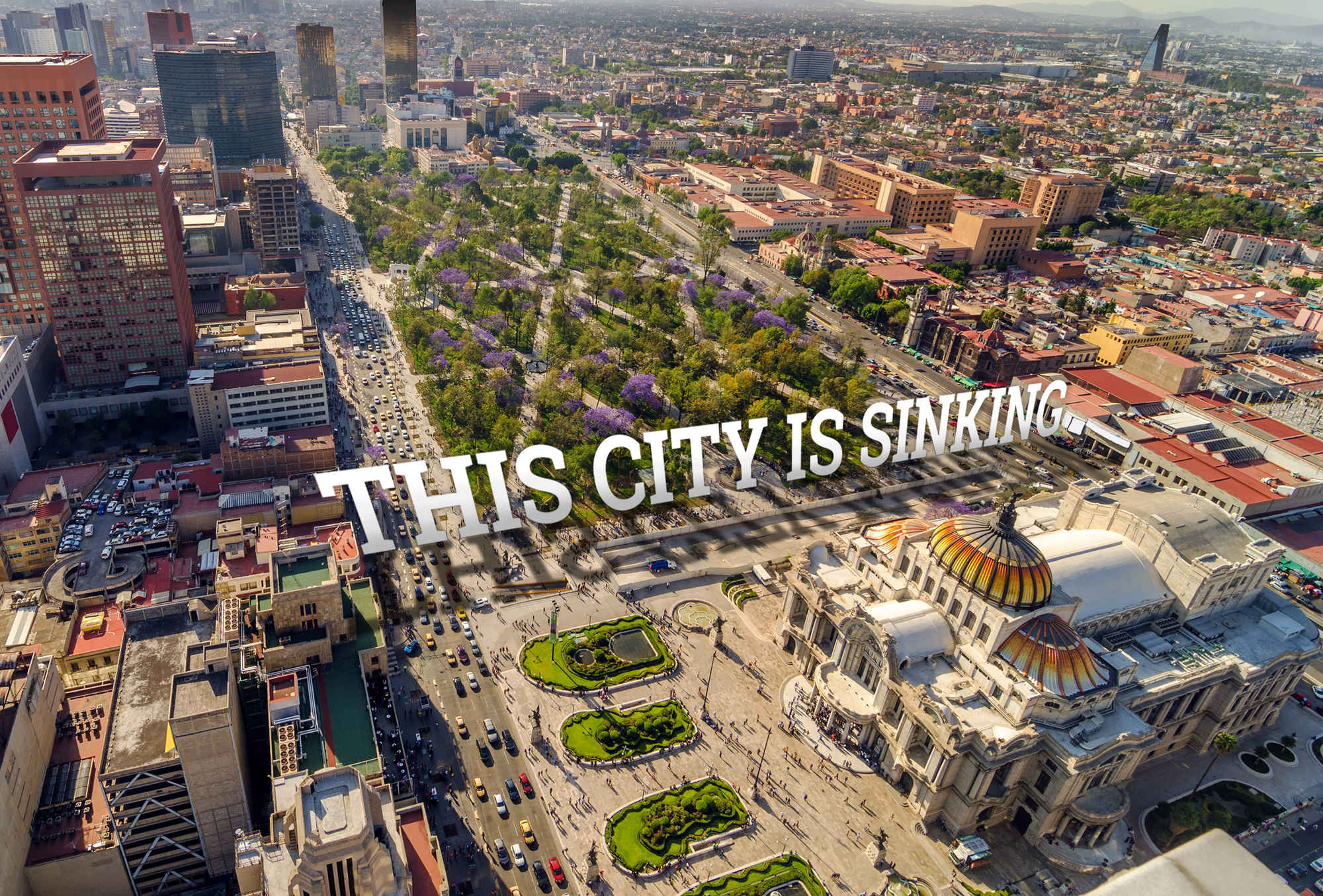
2015-02-19-CrazyFactsMexico_1.jpeg
Credit: Shutterstock (Edited)

There's a decent chance you've been to Mexico before, because it's like... right there. So you don't need anyone to list reasons that it's awesome. (Tacos! Beaches! Tequila!) But just in case you were actually curious about what's going on beneath that spicy, sunny, oh-my-god-take-me-there-now surface, here's a smattering of strange and true facts about America's southern neighbor.

2015-02-19-CrazyFactsMexico_2.jpeg
Credit: Wikimedia Commons

1. The Caesar salad was invented here.

Julius Caesar did not invent the Caesar salad. And it wasn't Caesar Augustus, either, for that matter. No, it was the brainchild of Caesar Cardini, an Italian-American restaurateur and chef who dreamt up the dish at his Tijuana restaurant. Or so legend has it. The origin has been disputed, as Livio Santini, who worked in Caesar's restaurant, claimed to have brought the salad to the world from his mother's recipe. All that's for sure: That's a damn good salad.

2. There's a 3-foot tamale that weighs 150 pounds.

Sure, you've probably had tamales. And if you live in Chicago, you've probably even seen the Tamale Guy. But you haven't dominated el zacahuil. This tamale, typical of the state of San Luis Potosi, is a 3-foot monstrosity of chile, spices, and hunks of pork or turkey, typically served on grilled banana leaves with pickled jalapeños. If you have tackled one of these, well, you probably won't make it to the end of this list, either from a food coma or heart attack. But good work.
2015-02-19-CrazyFactsMexico_3.jpeg
Credit: Flickr/Francisco Soto

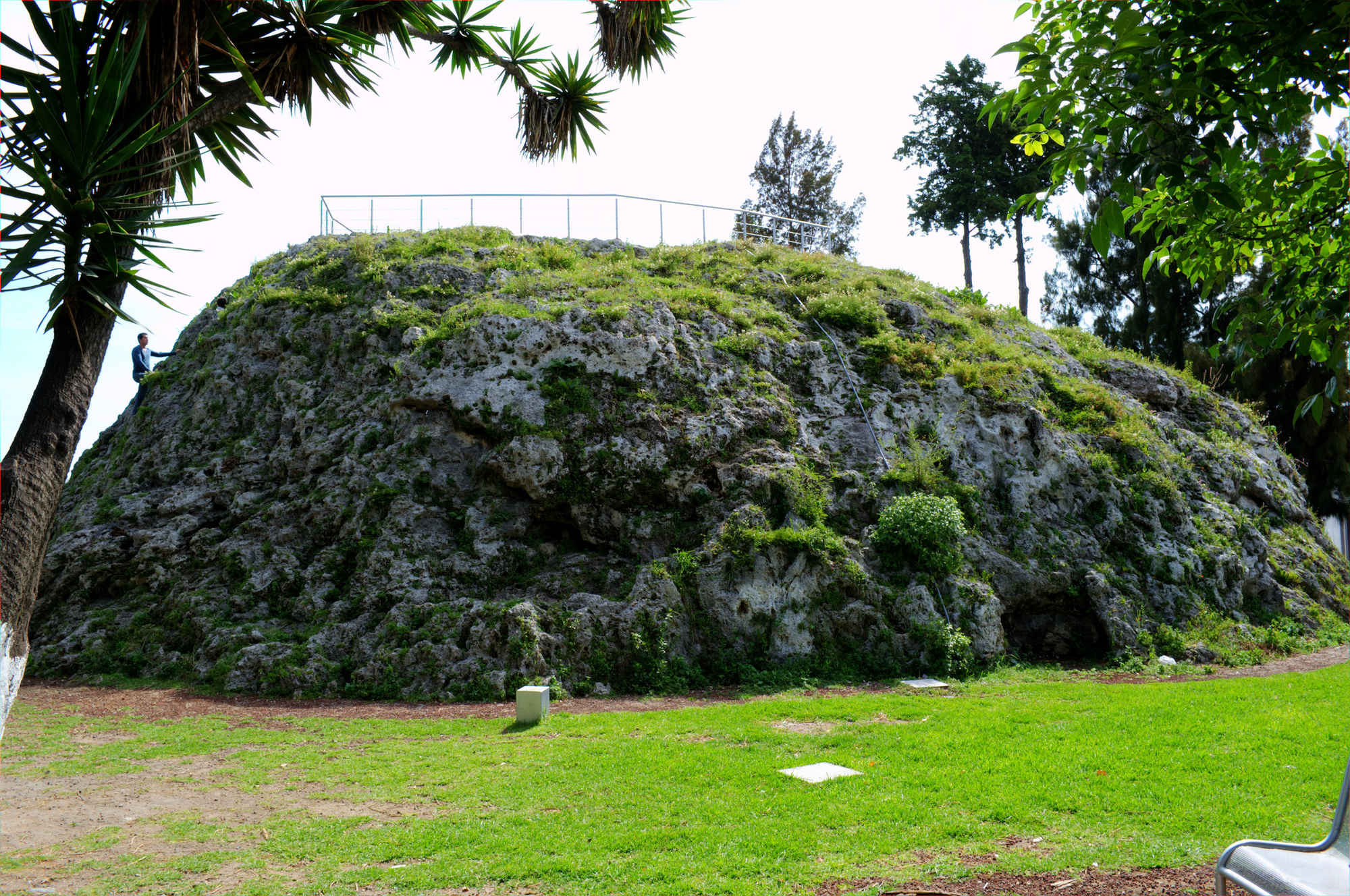
3. Mexico has the world's smallest volcano.

Hawaii has Mauna Loa, the world's largest volcano. Well, Hawaii can keep it, because in Mexico, it's about the motion in the magma, not size of the stratovolcano. The Cuexcomate volcano outside the city of Puebla is just 43 feet tall. To put it into perspective: That's not even half as tall as the Statue of Liberty, and it's equal to about 6.45 LeBron Jameses stacked on top of one another. But why would you have six LeBrons, let alone 0.45 of him? Let's move on....

4. Perform the anthem correctly, or else....

The Mexican national anthem (himno nacional mexicano) is nothing to joke about. There are actually nine or 10 articles in a chapter of the law that go into detail about how to properly honor and perform the national anthem. If you play it incorrectly, you will be fined, and in some cases, will need to issue an apology to the country. I probably shouldn't even make a joke about it here, in case someone in Mexico is reading.
2015-02-19-CrazyFactsMexico_4.jpeg
Credit: Drew Swantak

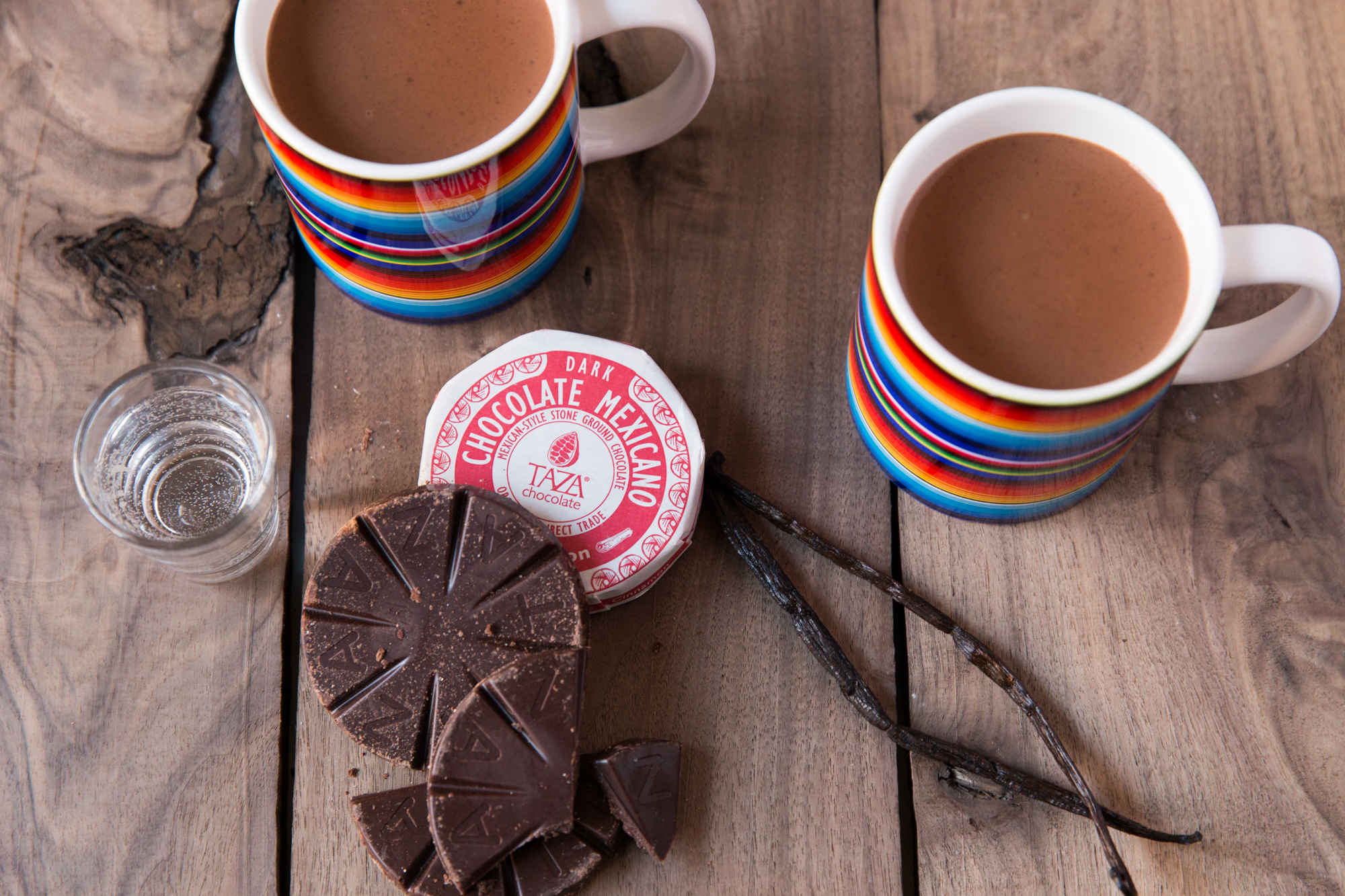
5. Hot chocolate is literally the drink of the gods.

When Hernán Cortés landed on the shores of Mexico, the Aztecs thought he was a white god and welcomed him with what they thought was a heavenly beverage: hot chocolate. How did Cortes repay them? Rape, pillaging, and burning their homes to the ground. It wasn't on account of the hot chocolate being bad. He just was not a pleasant guy.

6. Mayans fought with hornets.

Swords and spears are all fine and good but, if you ask the Mayans, a tad simple. A more effective method of scaring the sh*t out of enemies: harnessing a nest of hornets and throwing them into an oncoming attack. It's like Wu Tang Clan's dream fights all rolled into one. OK, they were killa bees, but you get the point.
2015-02-19-CrazyFactsMexico_5.jpeg
Credit: ITU Pictures

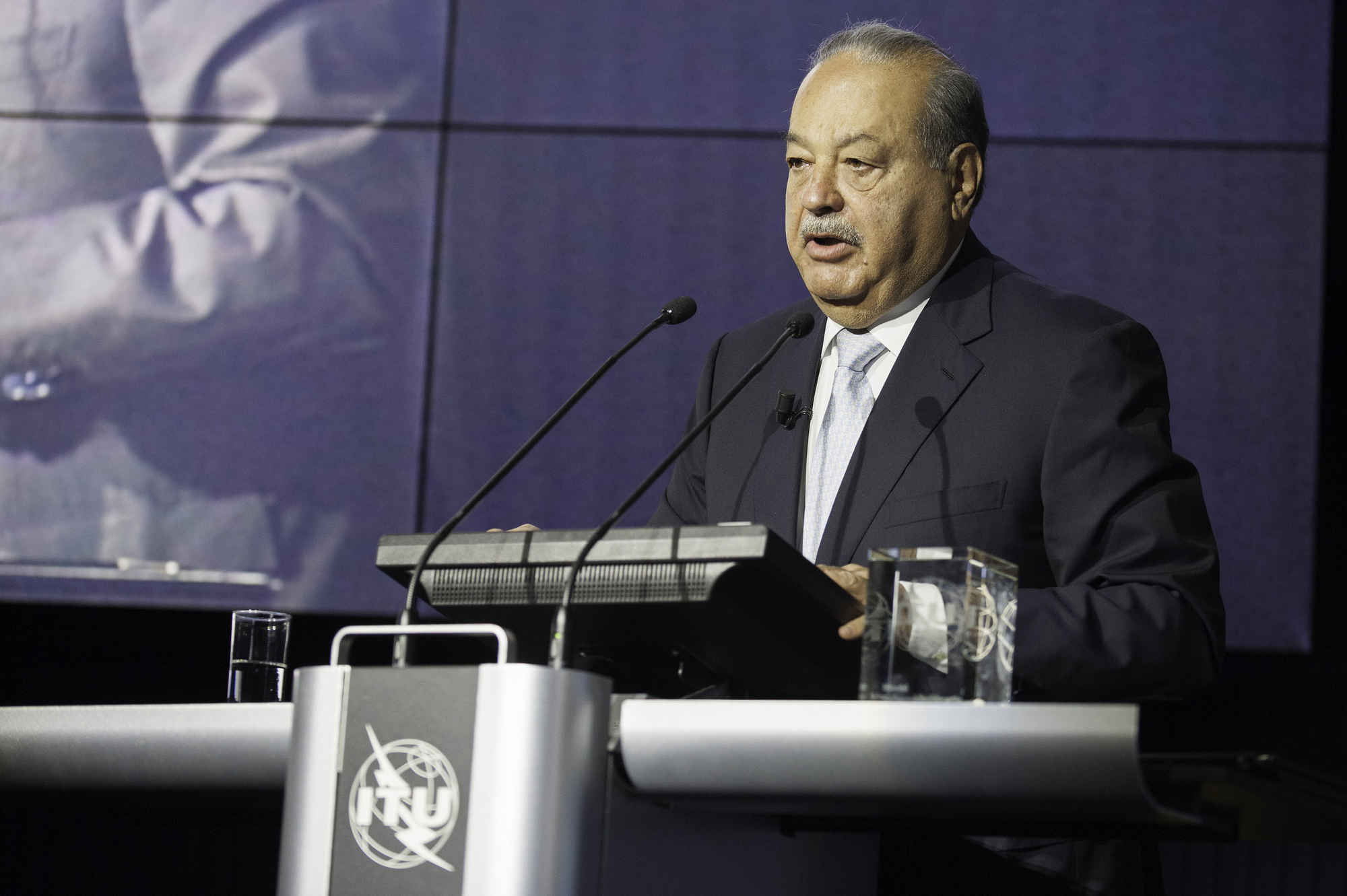
7. The world's (sometimes) richest man lives there.

OK, to be fair, Bill Gates is currently the richest man in the world. But he keeps duking it out for that no. 1 slot with Carlos Slim, the Mexican business magnate, who's currently valued at $72 billion. To put it into perspective, he's worth 7 percent of Mexico's entire GDP. For Bill Gates to be worth that much in the U.S., he'd need to have more than $900 billion and own Alcoa, Phillip Morris, Sears, Best Buy, TGI Friday's, Dunkin' Donuts, Marriott, Citibank, and JetBlue.

Tuesday, September 16, 2014

México’s Most Popular Street Names

Maybe the most common names for streets in the United States and Canada are Second St., Church St., and Main St., but México prefers to names its streets in honor of their heroes.
The most common street name in México is Miguel Hidalgo, followed by Emiliano Zapata. Hidalgo is the most widely known leader of México’s fight for independence from Spain, while Zapata, leader of the Liberation Army of the South, was an important leader in the Mexican Revolution. México’s beloved president, Benito Juárez, claims third place and 5 de Mayo is the country’s fourth popular street name.
Data from the National Institute of Statistics (INEGI) reveals there are over 7,000 streets and roads name Independence, while 6,605 are named 16 de Septiembre.
Although heroes and celebrations lead in the naming of streets, the INEGI notes that there are over 494,000 roads and streets in the country’s urban areas that have no name. There are almost 178,000 streets and roads in rural areas without names. So “no name” is really the most common denomination found on streets and roadways throughout the country.
(from Azteca Noticias)

Sunday, August 10, 2014

Here are 25 facts about Mexico’s natives on Day of Indigenous Peoples

indigenous schoolNot all are so lucky.


Today being the International Day of the World’s Indigenous Peoples, and Mexico being a country whose indigenous population is about 15% of the total, Mexico News Daily brings you 25 facts about that population, with thanks to Animal Político.
1. About 15.7 million Mexicans are indigenous, or 14.9% of the population.
2.  Mexico has 62 towns that are considered indigenous.
3. There are 7.6 million indigenous men in the country, or 48.4% of the total.
4. And there are 8.1 million indigenous women, or 51.6% of the total population.
5. The indigenous population inhabits about one-fifth of the total of Mexico’s territory.
6. The  states  of  Oaxaca  and  Chiapas are  where  the largest  numbers  of  indigenous  people  live.
7. Nuevo León, Baja California Sur, Tamaulipas, Aguascalientes and Colima are the states to which most indigenous people migrate.
8. 17.1% of the indigenous population lives in the principal cities.
9. 58.8% reside in indigenous municpalities.
10. 32.1% live in municipalities with an indigenous presence.
11. 9% live in municipalities considered to have a dispersed indigenous population.
12. 26.8% of those aged 15-59 don’t have a single year of basic education.
13. 26.8% have attended primary school but didn’t finish.
14. 25.9% of women are lacking in education.
15. 14.8% of men are lacking the same.
16. 52.6% finished primary school.
17. 81.5% are Catholic.
18. 28% live in homes without running water.
19. 65.9% cook with wood and charcoal.
20. 94.5% live in family homes.
21. 16.2% of homes are headed by women.
22. 25.6% of women participate in economic activities.
23. Women between 12 and 49 have on average 2.2 children.
24. 27.3% of 15-year-olds can neither read nor write.
25. In 1992, Mexico was recognized as a pluricultural nation.
Source: Animal Político (sp)

Friday, June 13, 2014

Tequila: Which Came First, the Drink or the Town?


go to original
June 13, 2014
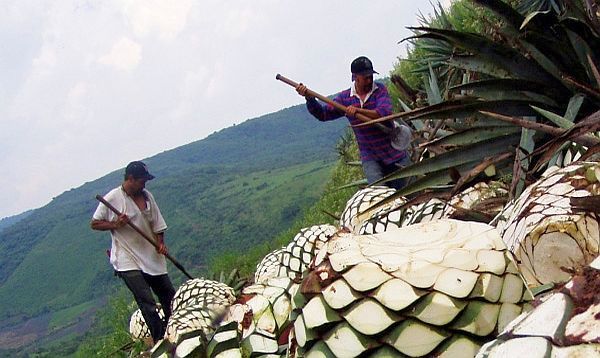
When you drink tequila, it’s like drinking sunshine in a very literal sense because you’re drinking 10 years of a plant receiving the extreme heat of Mexico - giving it much more energy than other spirits.

Was the Mexican town of Tequila named after the Mexican drink or the drink named after the town? To get the answer, Betto Arcos visited La Tequileña located in the town of Tequila. It’s one of the oldest distilleries in Mexico.
That’s where he found Sergio Mendoza, who says he comes from a family of four generations dedicated to the business of cultivating the agave plant, the raw material for the production of this amazing spirit, tequila. It is a well-known fact that the blue agave, the raw material for tequila, has been harvested and cultivated for many, many, centuries before the Spanish came.
Mendoza describes Mexico’s famous liquor this way: "When you drink tequila, it’s like drinking sunshine in a very literal sense. Because you’re drinking 10 years of a plant receiving the heat of Mexico, very hot days, very cold nights, so it’s not that tequila is stronger, but it certainly has this much more energy than other spirits."

Then Arcos asks him today’s Geo Quiz — why is this drink called tequila? Mendoza considers the question for a moment and says that it’s something that has evolved over time. Tequila comes from agave, which is also commonly referred to as mescal. There are over 200 kinds of agaves.
"To produce tequila, we only use one kind, which is Agave Azul," Mendoza says. "So mezcal is the generic name. Tequila is actually a mezcal. All tequila is a mezcal, but not all mezcal is a tequila. People started to realize that a specific mezcal or mezcal wine from the region of Tequila was very particular. It had a lot of complexity, and a lot of smoothness. And to distinguish it from other mezcals, they started referring to it as the mezcal wine of Tequila. Now, we know it as tequila."
So the city of Tequila gave the name to the drink. It gave the specific name to the mezcal wine of Tequila. But if you call it Mexico moonshine, devil’s water, or 100 percent agave, you won’t be too far off the mark.

Friday, December 13, 2013

Arrivals at Mazatlán Airport Up Over Last Year

by Maureen Dietrichon 13 Dec 13 
mazmessenger.com 

Statistics recently published by the Grupo Aeroportuario Centro Norte OMA shows an overall 8.9 percent increase in passenger arrivals in Mazatlán compared to last year.

Sixty-seven percent of arrivals were national tourists, representing 43,871 passengers (up from 37,156 in 2012): 22,174 were foreign tourists, a 1.7 percent increase from 21,795 last year.

Interviewed by reporters, the Sinaloa Secretary of Tourism advised that until the end of December flights from the United States and Canada were 70-75 percent full representing around 3,500 Americans and Canadians arriving per week.

(from Noroeste)

Monday, December 9, 2013

Sectur optimistic on ’13 results

Monday, 09 December 2013 00:10
BY CIRCE VARGÓN
The News


Tourism Secretary Claudia Ruiz Massieu announced over the weekend that the tourism sector will close the year with 8 percent higher foreign currency gains than 2012.

“Everything started and is ending in 2013 on a good note,” she said.

The tourism sector, according to Ruiz Massieu has a multiplying effect on other sectors of the economy, as well as development in the localities that tourists visit.

She said that the business sector has announced a total investment of over 112 billion pesos ($8.7 billion), which will be used to develop 176 projects in 27 tourist destinations. Projects include the construction and remodeling of hotels, time-shares, airport infrastructure, recreation parks, golf courses and marinas.

Friday, November 15, 2013

Gov’t unveils tourism map

Friday, 15 November 2013 00:10
thenews.com.mx

 
Mexico State Gov. Eruviel Ávila Villegas unveiled a Strategic Tourism Development Map on Wednesday, dividing the state’s territory into nine tourism corridors that offer a wide variety of destinations, such as archaeological sites, natural areas, adventure expeditions and cultural and culinary attractions.

The nine tourist corridors in Mexico State, which Ávila Villegas said will make it easier to promote the state’s destinations and develop travel infrastructure, are Toluca and its Surroundings, Sanctuaries, Beauties of the Nevado, Monarch Butterfly, Mazahua Splendor, Otomí Heritage, Teotihuacán, Volcanoes and Shopping Circuit.

Ávila Villegas said Mexico State is a place with a great deal of potential to promote tourism and create jobs, adding that he trusted that all of the state’s economic and social sectors will close ranks and help attract more visitors from elsewhere in Mexico and from abroad.

“We have natural beauty, we have the same number of volcanoes as pyramids, we have forests, lakes, plateaus — a great variety of natural beauties in our state, hot areas and the Nevado de Toluca volcano, and so we’re in a special place to be able to invite and promote tourism here in our state,” he said.

The state government is also pushing for the Padre Tembleque Aqueduct in the Nopaltepec municipality, which dates back to the 16th Century, to be classified as a UNESCO World Heritage Site.

Ávila Villegas has signed an agreement with Tourism Secretary Claudia Ruiz Massieu and Mexico State Family Development Agency (DIF) President Isis Ávila Muñoz that will implement the National Code of Conduct for the Protection of Children and Adolescents in the state’s tourism industry, which is aimed at protecting minors from human trafficking, exploitation and sex tourism.

This agreement will require all of its signatory agencies to adhere to all of the sexual exploitation guidelines established by the federal government, Ávila Villegas said, as well as ensuring that local tourism industry operators also take appropriate measures to prevent sex tourism.

THE NEWS

Monday, November 11, 2013

Registration of Canadians Abroad

by Maureen Dietrich

mazmessenger.com
Canada

The Government of Canada encourages all Canadians to sign up for the Registration of Canadians Abroad service if you are travelling or living in Mexico. Registration enables us to reach you in case of an emergency abroad or inform you about a family emergency in Canada. Sign up online at travel.gc.ca/register or register by mail, fax or in person.

NOTE: As of August 1, 2013 the online registration system is being updated and you will be unable to log-in to your account until the Fall of 2013. In the interim, if you need to register a new trip or make changes to your registration information, you can send an email to: registration-inscription@international.gc.ca.

For more information, contact the Consular Agency of Canada in Mazatlan:

Centro Comercial La Marina Business and Life
Blvd. Marina Mazatlan 2302, Office 41
Col. Marina Mazatlan, 82103
Mazatlan, Sinaloa, Mexico

Phone: 52 (669) 913-7320 | Fax: 7 52 (669) 914-6655 | email: mztln@international.gc.ca


Monday, October 14, 2013

Sectur report finds slight jump in visitor numbers


Monday, 14 October 2013 01:10
THE NEWS

MEXICO CITY – Between January and August of the current year, 16 million international tourists arrived in Mexico, pouring more than $9.3 billion into the economy, the Tourism Secretariat (Sectur) reported in a Sunday press release.

According to Sectur, this represents an increase of 0.8 percent on the same period in 2012, when 15.8 million international tourists visited Mexico.

Francisco Madrid Flores, director of the School of Tourism at Anáhuac University, said that although 54 percent of the foreigners who visit Mexico come from the United States, the latter country’s budget problems will not affect Mexico’s 2013 tourism figures.

Mexico’s tourism sector has not seen such a positive second quarter since 2008, Madrid Flores said, adding that it would be difficult to imagine this changing in the last three months of the year.

“We’ve seen 16 months of rising numbers of tourists and the United States remains the principal market with 54 percent of arrivals, followed by Canada,” Madrid Flores said.

The next major tourist season for U.S. tourists is the end-of-the-year holidays, Madrid Flores said, adding that the majority of U.S. citizens who planned to travel during that time would have already purchased their tickets before the government shutdown in their country began.


Tuesday, October 8, 2013

Benefits Provided by Tourism Industry in Mexico

Sectur

Mexico is showing steady growth within the general tourism sector and it is being notable for the economic benefits, it proffers in a country with advantages to build a stronger development of this industry.

Data from the Federal Ministry of Tourism (Sectur) reveals that this acitvity generates sales for 6.2 billion dollars a year and accounts for 1.4% of GDP of this country, while the so-called “industry without smokestacks” (Industria sin chimeneas) makes up to 9% of total GDP.

Also noteworthy, is the fact that it helps to increase and stimulate  the creation and development of micro, small and medium-sized local companies, even though is really hard for them due to taxes, as well as aiding the generation and distribution of tourism revenue locally.

The segment reports expenditures of 1,250 dollars per person, while a traditional tourist spends on-average just 750 dollars, according to the coordinator for business tourism for the Council for Tourism Promotion of Mexico, Eleonora Garcia Ferrel.

With the increase of this activity and the benefits that are being provided to the sector, it is necessary to invest in infrastructure, such as convention centers, hotels, resorts, entertainment facilities, freeways, highways, among others.

The World Tourism Organization  estimates an employment growth of 12% during the next 4 years, which now generates 151,100 jobs, 85,000 direct and 66,000 indirect.

Mexico has a huge potential, working as a bridge between the United States and Latin American, both areas with important business acitvities. There are also 59 international airports and 28 national airports offering connectivity to hundreds of different destinations all over the globe.

Sectur

There are 70 World Class facilities dedicated and specialized in these kind of activities in Mexico City, Guadalajara, Monterrey, Puerto Vallarta, Acapulco, Cancun, Tijuana, etc.

Finally, one of the most important incentives is the 0% tax rate for lodgings, resorts, convention facilities, transportation, food and services when coming from other countries.

But the main challenge is the termination of sales tax for this type of tourism that is being considered, although this measure should be dropped, since it makes the sector less competitive.

The petition will be presented offcially on October 9th by the Federal Secretary of Tourism, Claudia Ruiz Massieu.

Source: www.sectur.gob.mx/‎ www.mexicanbusinessweb.mx


Thursday, October 3, 2013

Adventures in Mazatlan: 5 Ways to Get Lost on the Mexican Pacific

lostgirlsworld.com

By on August 31, 2011 at 10:06 am

Mexican SunsetMazatlan, the pearl of the Pacific, is a historic port city nestled on Mexico’s western coast, and an ideal destination for a weekend of getting lost.
While it first rose to fame in the 1920′s as a chic tropical hideaway of the Hollywood elite, the Mazatlan of today is part-bustling port city, part sun-washed vacation paradise. While its still a major vacation destination, the city offers so much more than fiery flamingo sunsets, sandy beaches and minty mojitos. It is a cultural, historical, adventure hub, a youthful and engaging town that will keep you enchanted from dawn ’till dusk.
With so much happening in Mazatlan, it’s hard to know what to do first; here are five exciting activities that can’t be missed.

Zipline Huana CoaZipline Over the Jungle

There’s almost no better way to get your blood flowing than by soaring through the air over acres of lush jungle at the Huana Coa Canopy Adventure park, 45 minutes outside of Mazatlan. The experience begins with a nerve-racking ride up the mountain in the company’s pinzgau, a 6ft by 6ft Swiss-terrain vehicle. Though the route up get your heart racing, the team at Huana Coa is all about safety, and will make sure your day is exciting, but never dangerous.
As you zip across miles of jungle, soak in the awesome views and keep an eye out for jaguars, tarantulas and gila monsters. If heights aren’t your thing, Huana Coa also offers ATV and horseback riding. No matter what you do, make sure to come prepared with sneakers, insect repellant and sunscreen.

Tequila AgaveTour an Agave Liquor Factory

Once your toes are firmly planted on solid ground again, reward your fearlessness with a tour of the Los Osuna distillery, just minutes away from the Huana Coa Adventure Park. Mexican law requires that liquors bearing the name tequila must be produced in the Mexican state of Jalisco. So, even though Los Osuna’s agave liquor is 100 percent organic blue agave, and is produced using the same tequila making process, it cannot be called tequila.
That doesn’t stop it from winning awards however: In 2009, Los Osuna’s Reposada won the double gold medal at the San Francisco World Spirits Competition. To best appreciate and taste the champion liquor, spend some time touring the Los Osuna factory and its sweeping Agave fields, learn exactly how the fragrant spirit is made, taste the sweet agave nectar, and if you’re courageous, taste the caustic yet aromatic, just-distilled white product, nicknamed: “to-kill-you.” After your tour, pick up a bottle of Agave Liquor, and bring some Sinaloese spirit home with you.

Surf the Ocean Waters

Spend an afternoon riding the cobalt waves off the Mazatlan coast. Beaches in Mazatlan are exquisite, spacious and provide ample space for novices and experts alike. If you’ve never surfed before, spend an afternoon with one of the surf masters at Los Pinos, Norte or Bruja Beaches. They will provide you with equipment, and guide you as you paddle, spot and ride waves. You’ll be carving up the surf in no time.

el meson de los laureanos Check Out El Quelite

When you visit El Quelite, a colonial-style town 25 miles outside of Mazatlan, you’ll step into a world of brilliant colors and storybook scenery. The people of El Quelite strive year round to preserve the traditions and flavor of the past. The village offers visitors an experience that is at once calming, mysterious and historically nostalgic. While in El Quelite, explore the village but make sure to have lunch at El Meson de Los Laureanos, and meet the tirelessly passionate Dr. Marcos Gabriel Osuna, also known as “the Father of Rural Tourism in Sinalao,” and the person responsible for continuing, and preserving the wonder and magic of El Quelite. Dr.Osuna provides residents of the rural village and the surrounding areas, with free medical and recreational services in exchange for help in protecting and sustaining the town’s historic structures and ancestral traditions. This fall, Osuna is hosting a stargazing evening where astronomers will bring telescopes to El Quelite in order to instruct local children and their families about the galaxies.

Watch Traditional Mazatlan Cliff Divers

Spend an afternoon meandering down Mazatlan’s Malecon, a 13-mile seaside pier that stretches from the Zona Dorada, Golden Zone, to El Centro, the Old Town. While on the Malecon, seek out the traditional cliff divers of Mazatlan. Since 1961, the divers have leapt from a 45 ft. platform, plunging into a 15 square foot area of salty sea. Cliff diving is incredibly dangerous and mistakes could be fatal; at times the water is only 5 feet deep. Be sure to bring along a few pesos to tip the divers.

Wednesday, October 2, 2013

Mexico lures tourists

Wednesday, 02 October 2013
BY NADJA BRANDT
Bloomberg News


Mexico’s oceanside resorts and Maya ruins are luring more visitors from abroad even as drug violence plagues parts of the country. The resurgence is spurring a wave of new investment by the hotel industry.

Hoteliers and investors are counting on a continued surge in tourism across Mexico, where gains in hotel room rates outpaced increases in the rest of Latin America even as the economy slowed this year. Travel growth is being driven by a rising middle class, expansion by business and visitors undeterred by the violent crime gripping northern Mexico.

“Security issues — perceived or real — travelers pay attention to, and they can impact travel,” Ricardo Suárez, a vice president of acquisitions at Stamford, Connecticut-based Starwood Hotels, said in a telephone interview. “But there is such strong economic growth in the country, it’s driving domestic travel and demand from the U.S. and, more recently, also from places like Europe, Russia and Asia.”

Hotel-room bookings for this year jumped 11 percent in July, compared with a 6 percent increase a year earlier, according to travel-services company Orbitz Worldwide Inc. Growth in bookings in the Caribbean, Central America and South America, meanwhile, is slowing, Chicago-based Orbitz said.

Hotel demand in Mexico is increasingly coming from places not traditionally associated with travel to the country. Tourists from China are almost as numerous at Starwood’s Latin America properties as those with a longer history of visiting the region, including Germans, Italians and the French, Suárez said.

International visitors arriving in Mexico by plane rose 8.4 percent in the first seven months of 2013 from the year-earlier period, according to data from Mexico’s tourism ministry.

Arrivals from China jumped 29 percent, while visitors from Russia increased 56 percent during the same period, according to the data. U.S. visitors made up 56 percent of total arrivals by air.

As travel demand has slowed in many parts of Latin America this year, “Mexico is helping mitigate some of this as it grows from increasing business activity as well as the return of the U.S. vacationer,” Starwood Hotels Chief Executive Officer Frits van Paasschen said on a July 25 conference call.

In July, Hyatt announced plans to spend $325 million in partnership with Fairfax, Va.-based Playa Hotels y Resorts on properties in Mexico, the Dominican Republic and Jamaica. The first two Hyatt-branded resorts in the partnership will open in Mexico later this year after a “multimillion-dollar” investment.

Mexico’s economy has slowed and is expected to expand 2 percent this year, the slowest growth in four years. Hotels are getting a boost from a bigger, more affluent middle class and manufacturing expansion by foreign companies.

Tuesday, October 1, 2013

A very short History of Mexico

senectus.com

Mexico is a huge country with an area of 758,249 sq mi ( 1,972,550 km²) inhabited by 108 million people. It is, by population, the third largest country in the Americas following the USA and Brazil. Mexico is the most populous Spanish speaking country in the world. Its population reflects Mexico's ancient and complicated history: about 70% are of Spanish-Amerindian (Mestizo) descent, 15% Amerindians, 12% Europeans and the rest Chinese, Arab, Philippine and Jewish minorities.

Between 1800 BC and 300 BC, complex cultures began to form. Many matured into advanced Pre-Colombian Mesoamerican civilizations such as the: Olmec, Izapa, Teotihuacan, Maya, Zapotec, Mixtec, Huaxtec, Purepecha,Toltec and Aztecs (Mexica) , which flourished for nearly 4,000 years before the first contact with Europeans.

In 1519, the native civilizations of Mexico were invaded by Spain, and two years later in 1521, the Aztec capital of Tenochtitlan was conquered by an alliance between Spanish and Tlaxcaltecs (the main enemies of Aztecs) led by the most important of the early Conquistadores, Hernán Cortés. Because of constant rebellions, attacks, and continued resistance against the Spanish, it would take another two centuries, after the Siege of Tenochtitlan, before the Conquest of Mexico was completed. The colonial period, when Mexico was known as "Nueva España" or "New Spain", lasted to 1810,
In 1807, Spain was occupied by Napoleon and became powerless to control its overseas possessions. Miguel Hidalgo y Costilla, a Spanish Catholic priest with progressive ideas, supported by Spaniards who wanted to reinstate the Bourbon King in Spain, declared, in 1810 in the town of Dolores, Mexico independent from Spain. This act started a 11 year war, that ultimately led to the official recognition of independence from Spain in 1821, when the liberating army entered Mexico City. The Treaty of Cordoba recognized Mexican Independence.

Following Mexican independence, many Spanish possessions in Central America, which also proclaimed their independence were incorporated into Mexico from 1822 to 1823. The exception were Chiapas and some other Central American states. 

In an attempt to populate "empty fringe areas" the Mexican government awarded extensive land grants in remote areas such as the northernmost state of Coahuila y Tejas (Texas) to thousands of immigrant families from the United States, on the condition that the settlers convert to Catholicism, did not keep any slaves and assumed Mexican citizenship. 

Because of personal ambitions of various Generals, the First Republic was quite unstable, until Antonio López de Santa Anna took office in 1832. His abolition of the federal constitution, caused insurgencies in Yucatán and Coahuila y Tejas (Texas). Both areas sought independence from the Mexican government. Santa Anna's army eventually brought Yucatán to recognize Mexican sovereignty, Texas, led by relatively recently-arrived English-speaking settlers, declared independence from Mexico, with the Texan militias defeating the Mexican army and winning independence in 1836.

After accepting Texas's application for statehood in 1846, the US government sent troops to Texas in order to secure the territory, ignoring Mexican demands for US withdrawal. Mexico, despite having ignored Texas for ten years, saw this as a US intervention in internal affairs by supporting a "rebel" province.This led to the Mexican-American War (1846-48) during which Santa Anna was in and out of power. It ended in Mexico's defeat and the acquisition, partially through purchase, by the USA of vast territories north of the Rio Grande.

New Constitutions in 1856 and 1867 did little to establish stability and the constant confrontations between liberals and conservatives, the latter supported by a wealthy Catholic Church, continued. A short and bizarre intervention by the French and Napoleon III led to the Second Empire (1864-1867). But the Austrian born Habsburg Emperor Maximilian wanted to institute a liberal democratic Monarchy. This was opposed by the conservatives who abandoned him and he was ultimately executed.

Porfirio Díaz, a conservative General came to power in in 1876. This brought relative stability for a period of more than thirty years (1876–1911). Massive voter fraud on Diaz's re-election led to his resignation and the Mexican Revolution. The Federal Army was defeated by the revolutionary forces which were led by, amongst others, Emiliano Zapata in the South, Pancho Villa and Pascual Orozco in the North, and Venustiano Carranza.

While the civil war may have subsided after 1920, armed conflicts did not cease. The conflict continued as a battle between forces favoring a secular society with separation of Church and State and those favoring supremacy of the Roman Catholic Church and social conservatives. This developed into an armed uprising by conservative supporters of the Church that came to be called "la Guerra Cristera." It is estimated that between 1910 and 1921 the country lost about 900,000 people in this struggle.

The constant struggle and changes of Presidents led to a deterioration of the economic conditions and in 1929, the National Mexican Party (PNM) was formed by the serving president, General Plutarco Elías Calles. The party later became the Partido Revolucionario Institucional (PRI) that ruled the country for the rest of the 20th century.) The PNM succeeded in convincing most of the remaining revolutionary generals to dissolve their personal armies to create the Mexican Army. Its foundation is considered by many to have been the real end of the Mexican Revolution.

After it was founded in 1929, the PRI monopolized all the political branches.The party is typically referred to as the three-legged stool, in reference to Mexican workers, peasants and bureaucrats. Its power base continued until the year 2000. The PRI brought stability to the country, but its long reign also brought endemic corruption.

The PRI did not lose a senate seat until 1988 or a gubernatorial race until 1989. It wasn't until July 2, 2000, that Vicente Fox of the opposition "Alliance for Change" coalition, headed by the National Action Party (PAN), was elected president. His victory ended the Institutional Revolutionary Party's 71-year hold on the presidency, though it did not end the PRI's significant hold on power in the legislative branch and the bureaucracy.

Sunday, September 29, 2013

Something about the Geography of Mexico


 senectus.com


 As well as numerous neighboring islands, Mexican territory includes the more remote Isla Guadalupe and the Islas Revillagigedo in the Pacific Ocean. Mexico's total area covers 1,972,550 square kilometers, slightly less than three times the size of Texas, including approximately 6,000 square kilometers of islands in the Pacific Ocean, Gulf of Mexico, Caribbean Sea, and Gulf of California. On its north, Mexico shares a 3,326 kilometer border with the United States. The Río Bravo del Norte (known as the Rio Grande in the United States) defines the border from Ciudad Juárez east to the Gulf of Mexico. 

A series of natural and artificial markers, soon supplemented by an impregnable artificial wall delineate the United States-Mexican border west from Ciudad Juárez to the Pacific Ocean. On its south, Mexico shares a 962 kilometer border with Guatemala and a 251 kilometer border with Belize.

Mexico has a 10,143 kilometer coastline, of which 7,338 kilometers face the Pacific Ocean and the Gulf of California, and the remaining 2,805 kilometers front the Gulf of Mexico and the Caribbean Sea. Mexico's exclusive economic zone (EEZ), which extends 200 nautical miles (370 km) off each coast, covers approximately 2.7 billion square kilometers. The landmass of Mexico dramatically narrows as it moves in a southeasterly direction from the United States border and then abruptly curves northward before ending in the 500-kilometer-long Yucatán Peninsula. The capital of Yucatán State, Mérida, is farther north than Mexico City or Guadalajara.

Friday, September 13, 2013

Revenues from foreign tourists top $8 billion


Claudia Ruiz Massieu Salinas, Secretariat of Tourism for México, said that revenues from international tourists totaled $8.3 billion 2013, up 7.2% compared to the same period in 2012.

Massieu Salinas noted that tourist arrivals by air, the main mode of transportation for foreign visitors, are continuing to rise.

México saw 7.5 million foreign visitors arrived by air from January 1st to July 31st, up 7% from the first seven months of 2012.

During the whole of 2012 México received 23.4 million tourists, generating more than $11 billion in revenues.

(from Latin American Herald Tribune)

46 Interesting Facts About Mexico

  1.   The official name of Mexico is Estados Únidos Mexicanos (United Mexican States).d
  2. A Mexican tamale called the zacahuil is three feet long and weighs about 150 pounds.c
  3. Mexico introduced chocolate, corn, and chilies to the world.f
  4. Mexico is home to a very rare rabbit called the volcano rabbit which lives near Mexican volcanoes.c
  5. The largest wildcat in North America is the jaguar, which can be found in Mexico's southern jungles.c
  6. The first printing press in North America was used in Mexico City in 1539.c
  7. The National University of Mexico was founded in 1551 by Charles V of Spain and is the oldest university in North America.d
  8. Millions of monarch butterflies migrate to Mexico every year from the U.S. and Canada, though logging operations are rapidly destroying their habitat.d

  9. red poinsettia

    The poinsettia is named after the first American ambassador to Mexico

  10. The border between Mexico and the United States is the second largest border in the world (only the U.S.-Canadian border is longer).c
  11. Mexico is second only to Brazil in the number of Catholic citizens.c
  12. The red poinsettia (which the Aztecs called cuetlaxochitl) originated in Mexico and is named after Joel Roberts Poinsett, the first United States ambassador to Mexico (in the 1820s).d
  13. Mexican children do not receive presents on Christmas Day. They receive gifts on January 6, the day on which Mexicans celebrate the arrival of the Three Wise Men.f
  14. Mexico is located in the “Ring of Fire,” one of the earth’s most violent earthquake and volcano zones.d
  15. Mexico City is built over the ruins of a great Aztec city, Tenochtitlán. Because it is built on a lake, Mexico is sinking at a rate of 6 to 8 inches a year as pumps draw water out for the city’s growing population.f
  16. Mexico’s flag is made up three vertical stripes. The left green stripe stand for hope, the middle white stripe represents purity, and the right red stripe represents the blood of the Mexican people. The picture of an eagle eating a snake is based on an Aztec legend (see fact #25).f

  17. chihuahua

    Chihuahuas are named after a Mexican state

  18. The Chihuahua is the world’s smallest dog and is named for a Mexican state.c
  19. Mexico’s size is 756,066 square miles, which is almost three times larger than Texas.h
  20. Only ten countries in the world have a larger population than Mexico’s 109,955,400 million people.h
  21. Mexico City has the highest elevation and is oldest city in North America. It is also one of the largest cities in the world.d
  22. Mexico is the 14th largest country in the world by total area.d
  23. Modern Mexicans are a unique blend of many ancient civilizations, including the Olmec, Zapotec, Toltec, Maya, Aztec, Inca, African, French, and Spanish.f
  24. The first great civilization in Mexico were the Olmecs (1400-300 B.C.) who established many cities along the eastern coast of Mexico, sculpted the famous Colossal Heads, and worshipped a mysterious, unnamed god that was part human and part jaguar.b
  25. The Zapotec civilization (600 B.C.-A.D. 800) established great cities along southern Mexico and developed the first writing system in the Americas.b
  26. One unusual Mayan weapon was a “hornet bomb,” which was an actual hornet’s nest thrown at enemies during battle.f

  27. Mexican flag

    The symbols on the Mexican flag are based in Aztec mythology

  28. In the fourteenth century, a group of Chichmecas (warrior nomads) called the Aztecs (or Mexicas) settled in Mexico when they saw an eagle (representing the sun) standing on a cactus (a symbol of the heart) clutching a snake (a symbol of the earth or Quetzalcoatl)—an image which is now depicted on the Mexican flag.f
  29. Snakes appear repeatedly in Mexican mythology, from the serpent god Kukulcan which can be found the side of the Chichen Itza pyramid to the feathered serpent god, Quetzalcoatl.c
  30. The Aztecs adopted human sacrifice from earlier cultures (such as the Olmecs) because they believed the universe would come to an end and the sun would cease to move without human blood. There are many ancient statues of gods sticking out their tongues, such as Huitzilopochtli, which may be a sacred gesture that suggests their thirst for blood.a
  31. During an Aztec human sacrifice, five priests, sometimes with their faces painted with different colors, held the sacrificial victims’ arms and legs. The heart, referred to as “precious eagle cactus fruit,” was cut from the live victim and burned on a fire in the temple.a
  32. Shells and stones on the Aztecs' ritual blades symbolized the faces of the gods for which the sacrificial hearts were intended. They would sacrifice between 10,000 to 50,000 victims per year. Under the rule of Montezuma II, 12,000 victims were sacrificed in one day.a
  33. The Aztecs played ritual ball game known as tlachtli in which the losers were often sacrificed to the gods.a
  34. When Spanish Conquistador Hernan Cortés arrived in 1519, the Aztecs believed he was their returning god, Quetzalcoatl, and offered him the drink of the gods: hot chocolate.f
  35. The descendants of the Aztecs speak a form of the Aztec language called Nahuatl. Many of its words, particularly for types of food, passed into English...such as tomatoes (tomatl), chocolate (chocolatl), and avocados (ahuacatl).c
  36. Hernan Cortés had a native mistress and able translator Marina (La Malinche). She gave birth to his first son, who is considered the first mestizo (Indian-Spanish).g
  37. About 60% of the modern Mexican population is mestizo (Indian-Spanish), 30% is Indian or predominately Indian, 9% is Caucasian, and 1% is other.f
  38. Creoles are descendants of the Spanish people who first arrived in Mexico. Now they are the name of Mexico's small population: Caucasian Europeans, Americans, and Canadians.f
  39. Mexico remained under Spanish control for nearly 300 years until the Mexican people, led by a priest named Father Hidalgo, rose up against the Spanish on September 16, 1810. Hidalgo is widely considered the father of modern Mexico, and Mexican Independence is celebrated on September 15-16.f

  40. bullfighting

    Spanish Conquistadors introduced bullfighting to Mexico

  41. Spanish conquerors brought bullfighting to Mexico, which is now the national sport of Mexico. Bullfighting takes place from November to April, and the Plaza Mexico is the largest bullring in the world.f
  42. While bullfighting is Mexico's national sport, fútbol (soccer in the U.S.) is currently more popular.d
  43. Even though over 50 native tongues are still spoken in rural locations, Spanish is the national language of Mexico. In fact, Mexico is the most populated Spanish-speaking country in the world.c
  44. Texas was a Mexican province which declared its independence from Mexico in 1836, resulting in war with the United States (1836-1838).e
  45. In 1910, under the guidance of Emiliano Zapata and Pancho Villa, Mexican peasants revolted against the dictatorship of Porfirio Díaz to gain equality and land. The civil war lasted 10 years and took the lives over 1 million people.e
  46. Before 1958, women could not vote in presidential elections. Women, however, did play an important role in the 1910 revolution, serving as spies, arms smugglers, and soldaderas or soldiers.e
  47. In 1994, a group of Mexican peasants and farmers called the Zapatistas (named after Emiliano Zapata) started another revolt to highlight the differences between the rich and poor.e
  48. The North Atlantic Free Trade Association (NAFTA) was created in 1994 to encourage trade among the United States, Canada, and Mexico. But NAFTA has largely failed to lift Mexico out of poverty due to Mexico's repeated economic crises, a weak public education system, government corruption, and Mexico's inability to enforce the rule of law.c
  49. Actor Anthony Quinn was the first Mexican to win an Academy Award for his role in the 1952 movies Viva Zapata.e
  50. The Chichen Itza Pyramid in Mexico was named one of the new Seven Wonders of the World.c
-- Posted November 25, 2008. Updated January 19, 2009.


References
a Ackroyd, Peter. 2004. Cities of Blood: Voyages Through Time. New York, NY: DK Publishing.
bBernal, Ignatio. 1968. 3000 Years of Art and Life in Mexico. Trans. Carolyn B. Czitrom. New York, NY: Henry N. Adams, Inc.
cCobb, Allan B. 2004. Mexico: A Primary Source Cultural Guide. New York, NY: PowerPlus Books.
dGoodwin, William. 1999. Mexico. San Diego, CA: Lucent Books.
eGruzinski, Serge. 2001. Images at War: Mexico from Columbus to Blade Runner (1492-2019). Trans. Heather MacLean. Durham, NC: Duke University Press.
fKalman, Bobbie. 2002. Mexico the People. New York, NY: Crabtree Publishing Company.
gMerrell, Floyd. 2003. The Mexicans: A Sense of Culture. Boulder, CO: Westview Press.

hThe World Fact Book: Mexico. November 20, 2008. Accessed: November 25, 2008.


Thursday, September 12, 2013

My Sinaloa: Tourism Chief Frank Cordova Talks Mazatlan, Mexico & Beyond

Published on June 25th, 2013 | by Mark Chesnut
latinflyer.com


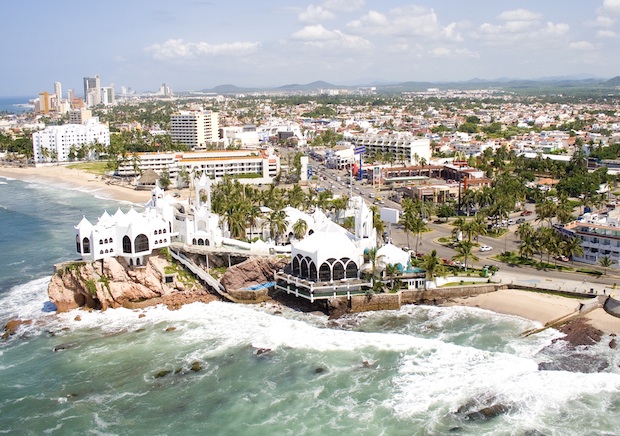
The city of Mazatlan, Mexico, is a legendary Mexico beach destination, attracting vacationers with its array of sun, sand and historic city center. The Mexican state of Sinaloa, where Mazatlan is located, is a lesser-known name for many travelers. But as the new secretary of tourism, Frank Córdova is heading up a renewed effort to make travelers aware of what the entire state has to offer.

Among the news: four major cruise lines are returning to the port of Mazatlan, while new air service is debuting at the Mazatlan airport. The Mazatlan-Durango highway is due to open this fall, making it easier for people to drive from the United States. And plans call for the city of Mazatlan to double its hotel capacity over the next five years. In this exclusive interview, Cordova talks about what makes Mazatlan a special place.

The Zona Dorada — Golden Zone — is one of the most popular Mexico beach areas in Mazatlan.

What are your biggest goals in your new position?

As secretary of tourism, one of my biggest goals is to communicate to people around the world that Mazatlan is back and better than ever. The cruise ships are already returning, and Sinaloa and Mazatlan are coordinating to further increase the number of American and Canadian flights to our state. Sinaloa and the Mexican government have invested millions of dollars in the city to improve and enhance the experience for tourists, and I am working to make sure more travelers than ever from around the world come to visit.

What do you think are the biggest selling points for Mazatlán, and Sinaloa overall, for travelers?

Mazatlan and Sinaloa have all the best of Mexico – beaches, nightlife, gastronomy, culture – at an affordable price and without the stereotypical “spring break” atmosphere. Visitors can still enjoy locally produced Tequila and Pacifico beer and visit an exciting variety of bars and clubs, but we’re an ideal destination for families and people looking for a relaxing vacation as well. We have plenty of activities for every type of traveler.

What are the best-kept secrets in Sinaloa in terms of tourism?

Sinaloa is full of beautiful beaches, colonial architecture, archaeological sites and even therapeutic hot springs, and one of our best kept secrets is the Copper Canyon. Located in the northern part of the state, it is considered to be even deeper than the Grand Canyon! You can take a train from Los Mochis that will allow you to see scenic views, waterfalls and stop in a number of villages. Sinaloa also has a diverse exotic bird population. Isla de Piedra and Altamura Island are home to beautiful toucans, parakeets and parrots.


The historic city center of Mazatlan, Mexico, is a big draw for culture lovers.


What are the main types of travelers that Sinaloa attracts? 

While Sinaloa attracts all types of visitors, we have been named the Best Family Beach as part of Travelocity Mexico’s 2010 “Battle of Destinations.” We pride ourselves on being a family-friendly destination that has something for everyone. Travelers who want to experience the best of Mexico’s beaches, gastronomy and heritage without the crowds of some of the more popular destinations should put Mazatlan at the top of their list.

What’s new in Mazatlan and Sinaloa for travelers?

The Mazatlan-Durango Highway will open later this year, connecting Sinaloa with the southwestern United States and making it even easier for visitors to explore more of our area. We also have many new hotels and resorts looking to open, and we hope to double hotel capacity within the next five years.

Mazatlan has a high profile on the tourism scene, but many people may not be aware of Sinaloa as a state, and what it has to offer. Why should travelers make time to explore more of the state?

There’s more to Sinaloa than just the beautiful beaches and the delicious shrimp of Mazatlan, and the region has changed so much in the past few years. We’re proud of Sinaloa and ready to show travelers everything our state has to offer.