theyucatantimes.com
With spiraling costs compelling more and more North Americans to retire overseas, retiring abroad has never been more attractive. But finding the right location among the myriad options available can be daunting.
That’s what our Annual Global Retirement Index does. Using input from our team of correspondents on the ground all over the world, we combine real-world insights about climate, health care, cost of living, and much more to draw up a comprehensive list of the best bang-for-your buck retirement destinations on the planet.
Keep in mind that, even though only 25 countries feature on our list, all of them are worth your attention. We selected them from among all the countries in the world for their qualities as retirement hot-spots, so even the lowest-ranked nation on our index is still very much an option worth considering.
Take into account, too, that ultimately no list or formula can automatically deliver the best destination for you. Only you can decide that. Only you can assess your personal preferences, needs, budget, and desires, and look at the options available to see which nation best suits your needs.
Are you an urbanite or do you prefer the wide-open spaces? Would you prefer a tropical climate with year-round sun or more temperate weather that reminds you of home? Would you rather live by the sea or on a mountainside? Sample the exotic delights of Asia or explore the rich cultural heritage of Latin America? Only you can make these calls. In assembling this index, we aim to deliver an in-depth guide to the best countries available to you today. It’s been compiled using the solid judgment and on-the-ground intelligence of our correspondents around the world. All of them are expats who have become experts on their adopted countries. Through their insight, we hope to give you an indication of the relative strengths and weaknesses of each locale and a flavor of the life that could await you in each. That way you can focus your own search in a well-informed way.
We’re constantly looking to improve and refine our annual Retirement Index. On top of having access to a larger network of correspondents than ever before, this year we required more (and more detailed) input from the field to make this year’s results the most comprehensive to date. As a result, for instance, Vietnam is included this year for the first time, in recognition of the opportunities we’ve uncovered there for North American expats within the last year.
You can see the full table of results below, but here for your inspection are details of the best in each region…
South America
Ecuador—The World’s Number 1 Retirement Haven
From the quaint town of
Cotacachi to the vibrant capital, Quito, from
Salinas by the sea to the peaks of the Andes, Ecuador’s diversity is a key part of the massive appeal that sees it regain the coveted top spot on this year’s retirement index.
Although prices have risen slightly in recent years, Ecuador’s
real estate is still the best value you’ll find anywhere.
This is bolstered by the generous array of benefits the government has afforded to retirees. Over-65s get discounts on flights originating in
Ecuador, as well as up to 50% off entry to movies and sporting events. Discounts are also available on public transport (50%) and utilities, with the option of a free landline if you purchase a property.
And the
cost of living is low. “You can get a lot more here for your dollar than you could in the U.S. or Canada,” says
IL Ecuador Highlands Correspondent Wendy DeChambeau. “A doctor’s visit will set you back around $10, while a main course in a restaurant can be had for as little as $2.50. The bus trip from Cotacachi to Otavalo will cost you 25 cents. For big-ticket items like real estate, you can get a lot more for your dollar here than in the U.S. A couple can live well here on $1,400 a month, including rent.”
You’ll find world-class medical facilities in big cities throughout the country, and you can catch direct flights to and from the States in
Quito and Guayaquil. Good Internet is more readily available than ever. Public transportation is so efficient that many expats report not having to even buy a car. And with Ecuador having one of the most robust economies on the continent—its Gross Domestic Product has grown an average of 4.54% a year since 2000—it is likely that this infrastructure is only going to improve over the coming years.
When it comes to entertainment, Ecuador offers a diverse range of options. Biking, fishing, zip-lining, hiking, and rock-climbing are all popular and readily available. The country’s location affords it access to a staggering variety of environments, from the vast Pacific Ocean (including the Galapagos Islands, one of the world’s most important ecological sites) and the Amazon to the mighty peaks of the Andes. This diversity ensures you’re guaranteed to find a climate that suits you down to the ground.The steadily growing expat population makes it easy to integrate, as do the friendly locals. “Many of the locals are somewhat bilingual, and they are very welcoming toward North Americans,” says ILCuenca Correspondent Edd Staton. “We also have a steadily growing expat community here.”
The country’s heritage is writ large in its culture, fusing indigenous influences with various European and African peoples who have settled there over the centuries. This multitude of cultures inevitably influences Ecuadorian cuisine, which is as varied as it is delicious and affordable, with new and reputable restaurants springing up all the time.
As many expats note, Ecuador delivers fresh experiences every day, making it the perfect location for someone in search of a happy and fulfilling life overseas.
Colombia—Latin America’s Health Care Hotspot
For North Americans heading south,
Colombia is becoming an increasingly popular choice. Given all that this diverse country has to offer, it’s not difficult to see why.
Second only to Ecuador among South American nations this year, Colombia has an incredibly low cost of living; according to IL Colombia Correspondent Michael Evans, a couple can live comfortably on just over $1,200 a month.
What’s more, Colombia boasts one of the finest and most affordable health care systems in the region, a factor that has seen large expat communities sprout up in cities like Bogotá and Medellín.
“You can get health-care treatment comparable to that in the U.S. in any large or mid-sized city,” says Michael. “In a 2014 survey, 18 Colombian medical institutions ranked among the top 45 in Latin America. According to the World Health Organization, Colombia actually has better health care than the United States or Canada.”
There’s no shortage of things to do, either. And accessing the country has never been easier, thanks to an increase in direct flights from the States.
“Even small towns have community swimming pools and tennis courts, and some major cities have golf courses,” says Michael. “In Colombia, you can go hiking, white-water rafting, paragliding, mountain climbing, spelunking, swimming, water skiing, and scuba diving. Colombia is the second-most biodiverse country on the planet. It has beaches, jungles, deserts, and a few steamy volcanoes. You’ll never get bored in Colombia.”
THE FINAL SCORES
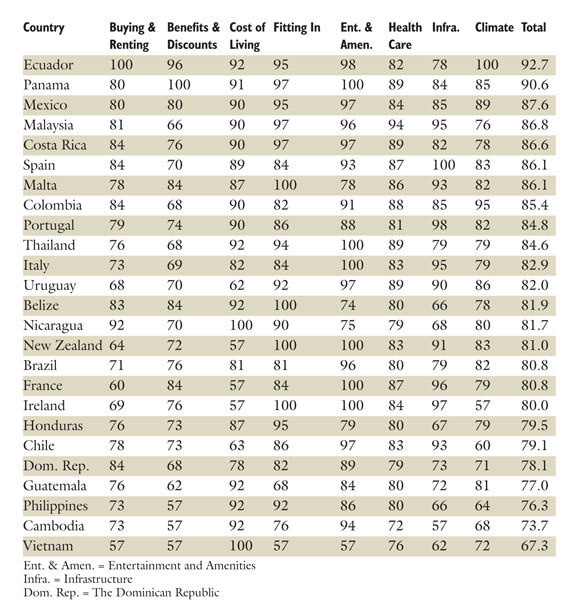
Mexico went from 6th to 3rd place in the International Living Retirement Index
North and Central America
Panama—Best Retirement Benefits in the World
Runner-up in the Index—and the best retirement destination in Central America—
Panama offers retiree expats the advantages of the world’s best retirement program: the
Pensionado visa.
“Panama wants you to come—and their policies court you,” says Jessica Ramesch,
IL’s Panama Editor. “The
Pensionado visa is available to anyone with a lifetime pension of over $1,000 a month. Discounts you can get with the visa include 20% off medical services, 50% off entertainment, 25% off restaurant meals, 25% off air fare, and 25% off electricity and phone bills.”
Add all this to the country’s already low
cost of living, and Panama is the very definition of an affordable expat haven. For under $2,000, a couple can live comfortably in a country with a well-earned reputation for being expat-friendly.
Thriving expat communities in towns such as
Boquete,
Coronado, and Pedasí attest to the ease of integration and afford you plenty of opportunities to meet like-minded types.
“There are active expat communities all over Panama,” says Jessica. “This is possibly the friendliest country toward North Americans, because of its long-standing relationship with the U.S. There are so many activities for expats and Panamanians, it is easy to join different groups and get out there and start meeting people. Panamanians like to meet foreigners. They like to try to practice their English on you or hear you trying to speak Spanish. You even make friends at the supermarket here.”
Although a developing nation, Panama’s array of infrastructure makes it easy to get (and get to) what you need. It has both the fastest Internet and best roads in Central America, and it serves as the air hub for the entire region, with a large and growing number of routes serving U.S. and Canadian cities. This makes Panama one of the easiest countries on our list to get home from.
The Pacific coast of Panama is world-renowned for its beautiful beaches and azure waters: the definition of tropical paradise.
Sunshine is ubiquitous in Panama and gray days are rare. The evenings and mornings are pleasantly cool, and rains rarely last more than an hour. At either extreme, the weather is perfectly manageable. The temperature is generally warm, but not so hot as to be stifling, and the ocean water reflects this, making Panama a perfect place if you love to swim. Unlike some other countries in the region, hurricanes do not pose a threat.
This favorable
climate makes Panama a perfect place for those who love the outdoors, with plentiful opportunities for hiking, bird-watching, fishing (among the best in the world), and water sports. It also has a vibrant arts and cultural scene centered on the larger towns and cities.
The John Hopkins-affiliated Punta Pacífica Hospital in
Panama Cityprovides care comparable to what you’d receive in the U.S. It’s one of five major hospitals spread throughout the country, although smaller facilities also provide first-rate service at highly competitive prices. Because of its small size, you are never more than an hour’s drive from a medical facility in Panama. The local
health-care system is both cheap and reputable. A visit to the doctor can set you back as little as $5.
Mexico—Thriving Expat Communities South of the Rio Grande
One of the world’s best expat havens lies just south of the border, proving that you don’t have to traverse the globe to find your own piece of paradise. Due to its proximity to the U.S., the comforts of home are never far away in
Mexico. English is widely spoken in expat havens (though Spanish will help tremendously) and U.S. food, products, and sports are also popular.
“In Mexico I can get almost anything I could get back home, between the U.S. chain stores and the local shops and markets plus I can get all the wonderful local specialties,” says ILEditor Glynna Prentice. “The big difference is the prices. Tickets to a top-notch concert may cost me $8 or even less…and I can walk to the concert hall through a beautiful colonial city. I can buy a week’s worth of groceries for $15 or $20, and I don’t know anyone who pays more than a few hundred dollars a year in property taxes.”
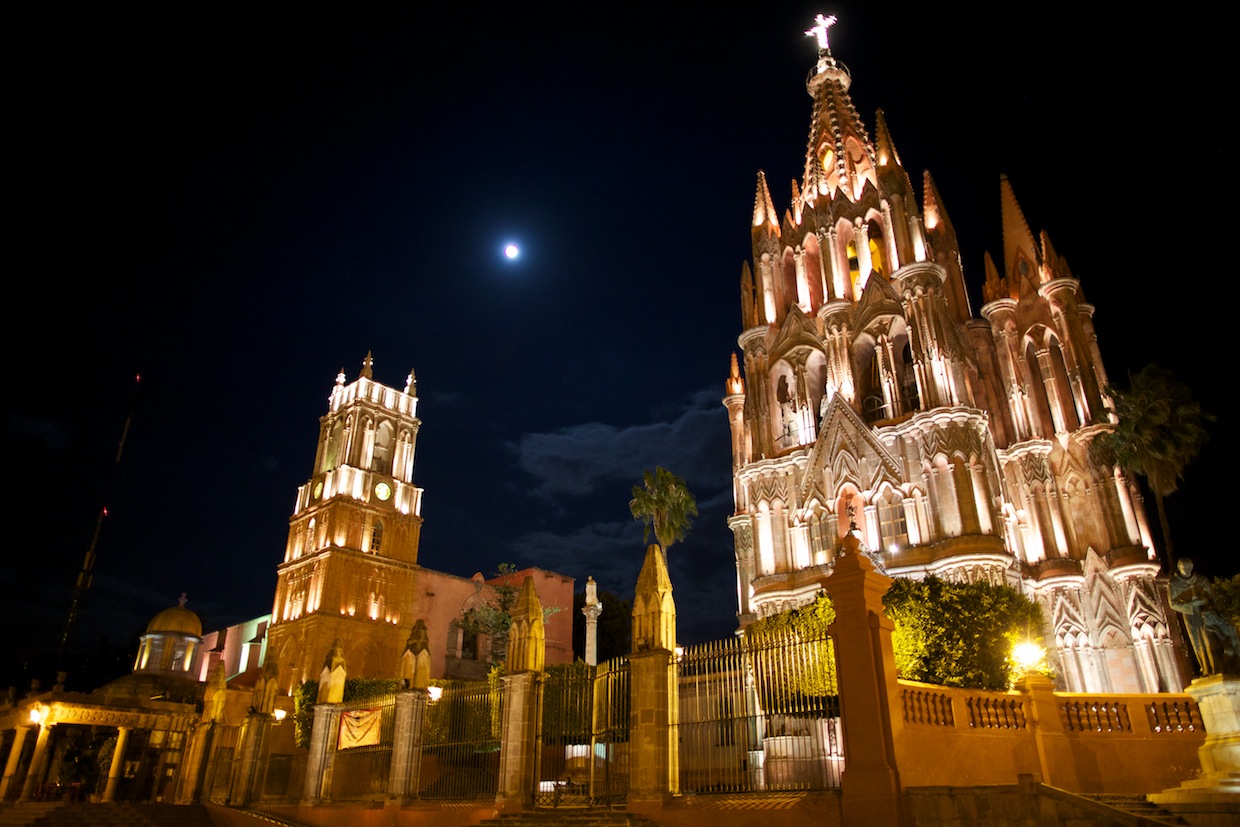
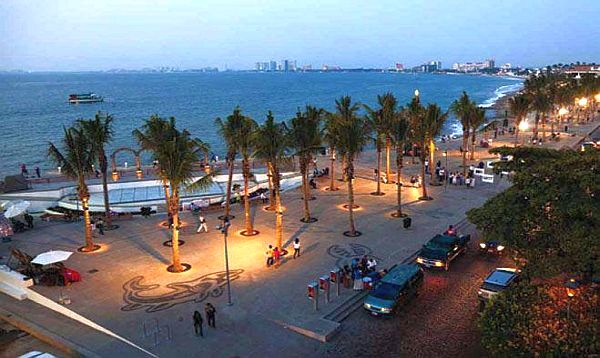
Established expat havens in communities such as Puerto Vallarta and San Miguel de Allende ease the integration process, while excellent property can still be found for far less than you’d pay in the States. In communities where expats flock, health care is as good as what you’d expect at home, but delivered at a much lower cost, leaving you with plenty of money in your wallet to enjoy the innumerable activities and cultural treasures this large and diverse country has to offer.
From the pristine beaches of Puerto Vallarta and the scenic streets of San Miguel de Allende to thebeautiful City of Mérida, the breathtaking Colonial Haciendas, the mystical “Cenotes” and the stunning Mayan ruins of the Yucatán, Mexico has it all.
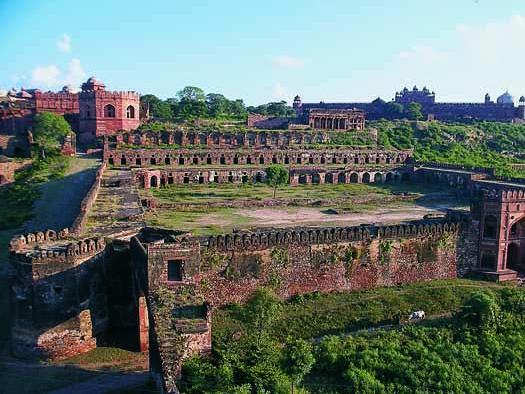
Hacienda in Yucatan (Photo: Google)
This country can cater to a wide range of tastes—whether you’re in search of a quiet getaway or on the hunt for adventure. The country’s large size also affords it a diverse range of
climates to accommodate every tolerance of heat, humidity, and rainfall. Good Internet and infrastructure can be found throughout most of the country, and Mexico’s famed cuisine is another much-loved plus. Regular flights to and from the U.S. are also a distinct advantage…or you could drive home if so inclined.
Asia
Malaysia—Great Value for Money in a Cultural Melting Pot
Every year, more and more expats are waking up to the amazing opportunities
Malaysia has to offer. The country has one of the most robust economies in Asia, and this is reflected in the consistently high standard of living available to locals and expats alike. It’s just one of many factors that led to it being ranked the highest Asian nation in this year’s index.
Quality of life in Malaysia is cost-efficient as well as excellent. In typical expat locations such as Kuala Lumpur and Penang, high-quality real estate is available for rent at a low cost. Why buy when you can rent a 1,600-square-foot apartment with a swimming pool for just $850 a month?
“I rent a 1,600-square-foot apartment with an amazing pool, just five minutes’ walk from the ritzy Gurney Plaza shopping mall,” says New Yorker Thomas O’Neal of his new life in Penang. “It costs me just $850 a month. I don’t need a car, either, so I’m saving money left, right, and center.On a modest budget, you truly can savor a life of luxury here. With your money going further, you can afford to treat yourself to the stunning array of local food—which mirrors Malaysia’s diverse cultural make-up. For as little as $5, you can enjoy an excellent meal, with a bottle of wine setting you back the same price. The street food is similarly scrumptious and one of the true charms of Malaysian cuisine.
“I love the weather—82 F on average—and the ease of getting to Thailand, Cambodia, Vietnam, and Laos. When you combine that with a cost of living of $1,500 per month, including my rent, it’s almost unbeatable.”
The country makes a perfect base from which you can explore the innumerable natural, historical, and cultural treasures that Southeast Asia has to offer. The proliferation of cheap Asian airlines in recent years has made it easier (and more affordable) than ever to explore Thailand, Indonesia, India, and Japan. In Malaysia, Asia is truly at your doorstep.
Direct flights to the U.S. are also available, so getting home for the holidays needn’t be a concern. Neither is Internet access, as every year high-speed Internet makes more and more inroads into the country. It’s already widely and cheaply available in popular expat destinations like Kuala Lumpur and Penang.
As a throwback to the British colonial period, English is widely spoken by locals, making it all the easier to adjust and find your way around. And cities like Penang have plenty of social occasions and festivities for you to enjoy, perfect opportunities to mingle with locals and expats alike.
Because of its easy mix of the archaic and modern, Malaysia has been described by expats as stepping back in time, yet with all the benefits of modern comforts. Twenty-first century conveniences abound, but Malaysia holds onto enough of its Old-World, Asian charm to make it a real haven for those eager to experience new cultures and traditions. The public transport network is comprehensive—you don’t need a car, particularly in the cities. And the quality of the roads is first-rate, so if you do decide to invest in a vehicle, dirt tracks won’t be an issue. Health care quality is similarly top-notch, particularly in the larger cities, where it is comparable to that in any First-World nation. A doctor’s appointment will set you back as little as $15.
Thailand—Low-Cost Health Care and Lots to Do
As Asia’s appeal to North American expats continues to grow, Thailand has become a popular destination. The country combines the best of authentic Asian cuisine and culture with enough North American influences to help you feel at home.
Thriving expat communities already exist in the larger cities, such as Bangkok and Chiang Mai, and resort areas, such as Phuket and Hua Hin. The Thai people are also well-known for their welcoming and accepting nature, their hospitality readily extended to expats.
“Here in Chiang Mai, it is easy to make friends if you make the effort. There are lots of opportunities to get involved with both locals and other expats,” says Steve LePoidevin, who relocated to Chiang Mai from Canada. “There is a large expat community in Chiang Mai, with a Chiang Mai Expat Club that meets monthly, as well as many expat clubs that get together weekly. Whatever your interest, from computers to hiking to motorcycles, there is a group here dedicated to that hobby!”
The choice of restaurants and dining spots is vast in
Thailand, and there’s much else besides to immerse yourself in. Choices for concerts, gigs, and exhibitions abound in Bangkok, and Chiang Mai has a huge art scene.
“There is very little that you cannot find here in terms of cuisine, whether you are looking for a small bistro or a five-star dining experience,” Steve says. “There are many art exhibitions on a regular basis and lots of concerts. Chiang Mai has a large arts community as a result of the universities here.”
But culture isn’t the only draw. The country is an outdoor-lover’s paradise, with a rich mosaic of rainforests, exotic wildlife, and breathtaking temples. On islands such as Koh Samui, Thailand also boasts some of the most beautiful tropical beaches you’ll find anywhere in the world, with properties available at highly affordable prices. But then, affordable homes and a relatively low cost of living can be found right across Thailand. Even in the likes of Chiang Mai, a couple can live comfortably on a modest budget of $1,500 a month.
Excellent health care is available throughout the country, but the best care to be had is in the city centers, especially in Bangkok. Basic doctor’s visits and dental procedures (such as cleanings and fillings) can cost as little as $30, while a basic health insurance plan starts at around $300.
Europe
Spain—Europe’s Most Affordable Retirement Haven
For those seeking sun and affordable living in Europe,
Spain remains by far the best option available, evidenced by its standing as the top European nation in this year’s index.
“Spain is a great favorite with many people, including me,” says IL Editor Glynna Prentice. “It has the rich history and traditions that you expect from Europe, and all the First-World conveniences. But it also has a fun-loving, late-night culture, wonderful food, and people who place great value on family and friendships, and that’s very appealing.”
For years, Spain’s famously warm climate has been attracting expats from colder climes. So if it’s sun you’re after, you can do much worse. The aptly named Costa del Sol (“Coast of the Sun”), a 100-mile stretch along Spain’s southern Mediterranean coast, is blessed with some of the best summers (and beaches) in the world. But even the more northern reaches of the country (such as Catalonia and parts of the northwest coast) provide tee-shirts-and-shorts weather late into the year. Winters in these areas are never worse than mild.Although not as cheap as in most of Latin America, property in Spain is often of a high standard and far better value than in many other European countries. Likewise, Spain’s cost of living is lower than what you find in much of Europe. A couple can live comfortably in many cities in Spain for about $2,600 a month, including rent, making Spain a great warm-weather, low cost choice for anyone who wants to spend time in Europe.
Spain is truly a country that has it all. “Whether you want to dine like royalty in San Sebastián, ski in the Pyrenees, run with the bulls in Pamplona, explore museums in Barcelona, hit the beach in Alicante, or wander Moorish palaces in Granada, Spain delivers,” says Glynna. “Spain is incredibly diverse, with something to suit everyone.”
Spain’s people, cityscapes, and famed food draw influence from the many groups who have settled there over the centuries: Basques, Moors, Celts, Catalans, and others, with each region flavored by its own identity. It all guarantees you have plenty to see and do.
For lovers of wide-open spaces, Spain’s vast, photogenic landscapes are a hiker’s heaven. Owing to its location at the meeting point of Eurasia and Africa, it also boasts some of the best bird-watching on the planet: Each season brings different feathered treasures, as they migrate from one continent to the other.
All the First-World amenities you would expect of a European country are abundant in Spain. The Internet is reliable and fast, with coverage everywhere. Public transport is so efficient that you only need a car in the most remote regions. Home comforts—U.S. television, movies, and music—are easy to come by, too.
Spain’s health-care system is routinely recognized by the World Health Organization as one of the best in the world.
Malta—The Mediterranean’s Hidden Treasure
Sitting right at the heart of the Mediterranean, Malta blends the best of southern-European graciousness with one of the best qualities of life to be found in Europe. First-World standards of service and infrastructure, a wealth of historical and architectural treasures from its eons of history (including nine UNESCO World Heritage Sites), world-class golf courses, and the sparkling Mediterranean—all in a country one-tenth the size of Rhode Island—ensure that this tiny island will keep you occupied.
“Malta is small, but it packs a lot into that space: ancient ruins, charming cities, some beautiful beaches, and a varied, interesting population,” says IL Editor Glynna Prentice. “In Valletta, the capital, there’s something going on almost every night—for instance, a concert, a fireworks display or an exhibit. So you’re never bored.”
Owing to its time as a British colony, locals speak fluent English—which, together with their warm and welcoming attitude, makes for easy integration.
Malta enjoys plentiful sunshine year-round, on top of world-class health care (consistently ranked among the top five in the world by the World Health Organization) and tasty Mediterranean cuisine. The island also has one of the lowest crime rates to be found anywhere. Malta may be one of the more expensive locations on our list in terms of real estate, but bargains can be found if you’re willing to shop shrewdly.
“You can still find comfortable apartments in beach areas, or even right in Valletta, for under $175,000,” says Glynna.
Due to its small size and excellent public transport network, getting around and seeing the sights is easy. Malta also makes an excellent base from which to explore the wider Mediterranean region.